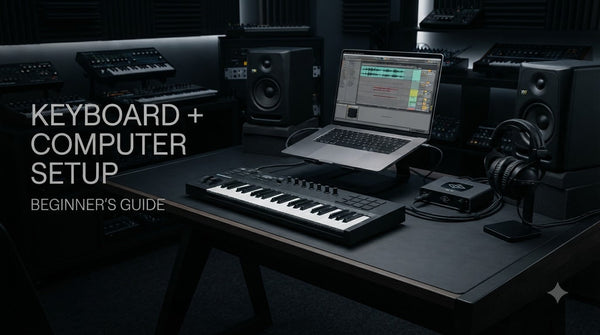








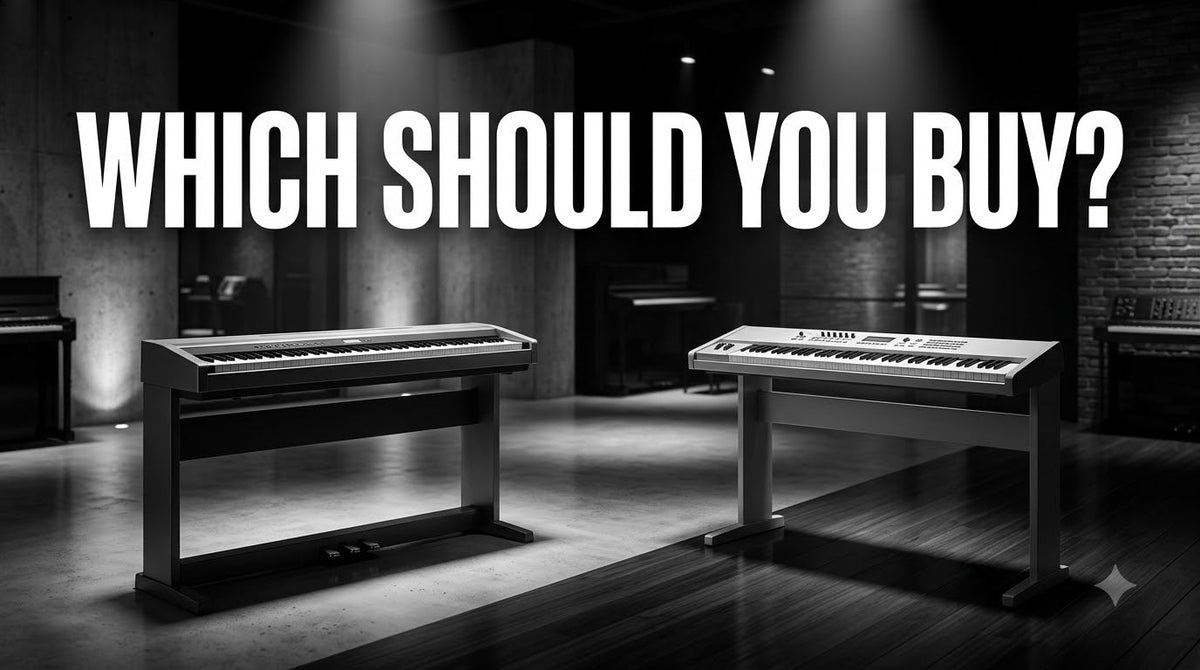
For most beginners, weighted vs semi weighted keys matters far less than simply getting started on a comfortable, touch-sensitive keyboard. You do not need heavy hammer-action keys to learn notes, chords and songs, and lighter keys are easier on new fingers. Only prioritise fully weighted keys if you are set on serious classical piano or graded exams from day one. This guide takes a pure first-timer's view: which feel to learn on, a realistic budget, and the one sensible starter pick.
Which feel should a beginner learn on?
As a first-timer, your fingers are still building strength and coordination, so a lighter action is usually kinder and less discouraging in those crucial early weeks. Semi-weighted and touch-sensitive keyboards let you focus on learning notes and rhythm without fighting a heavy key, which keeps practice enjoyable and habit-forming. Fully weighted keys are wonderful for authentic piano technique, but they can feel like hard work when you are still finding middle C, and that resistance is not something a complete beginner can yet use. The one exception is if you already know you want to pursue classical piano seriously, in which case learning on weighted keys from the start builds the right muscle memory.
A realistic beginner budget in India
It helps to think in simple tiers, because the jump in features between them matters more than the price gap suggests. The table shows what your money realistically buys a beginner in India, and the prose beneath explains why the middle tier suits most first-timers. Treat fully weighted 88-key instruments as an upgrade you grow into, not a place you must start.
| Budget | What you get as a beginner | Verdict |
|---|---|---|
| ₹12,000 – ₹15,000 | A 54 or 61-key touch-friendly board to learn notes and chords | Best value for most beginners |
| ₹15,000 – ₹20,000 | 61 keys with lighted-key learning features | Great for self-taught learners and kids |
| ₹35,000+ | Full 88-key, touch-sensitive digital piano | Ideal if you are committed to piano |
For the full breakdown of how each action feels and who it suits, read our complete guide to weighted vs semi-weighted keys. It covers the technical differences in more depth than a beginner strictly needs on day one.
The one sensible starter pick
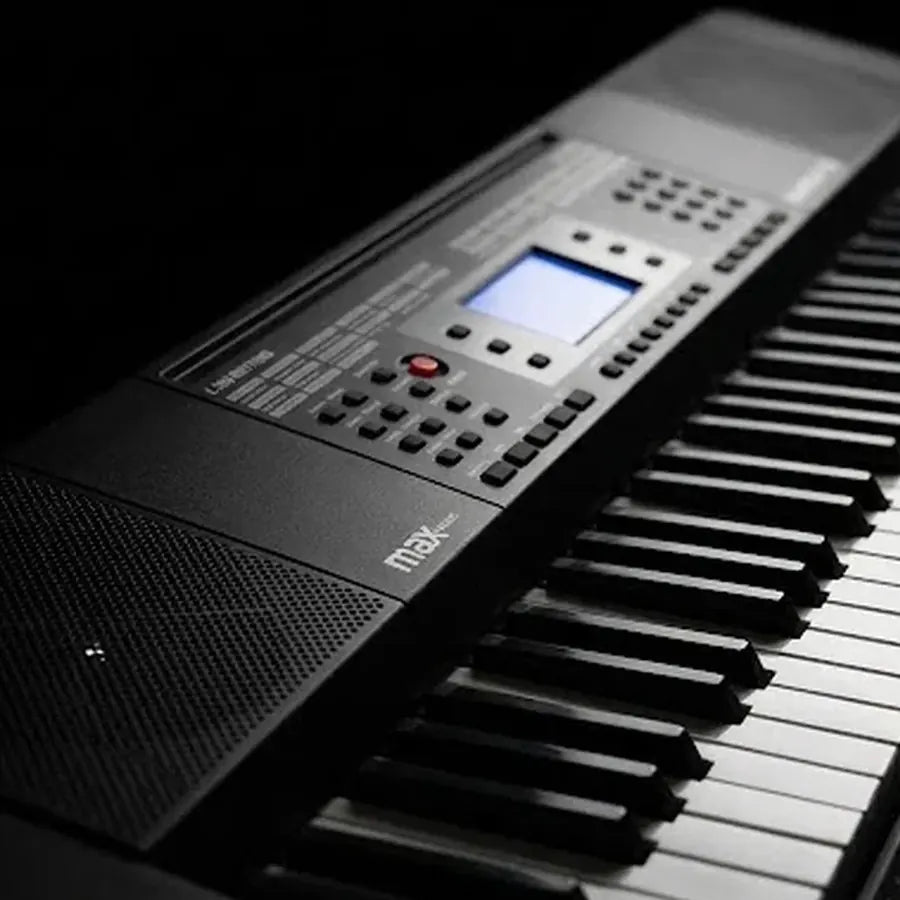
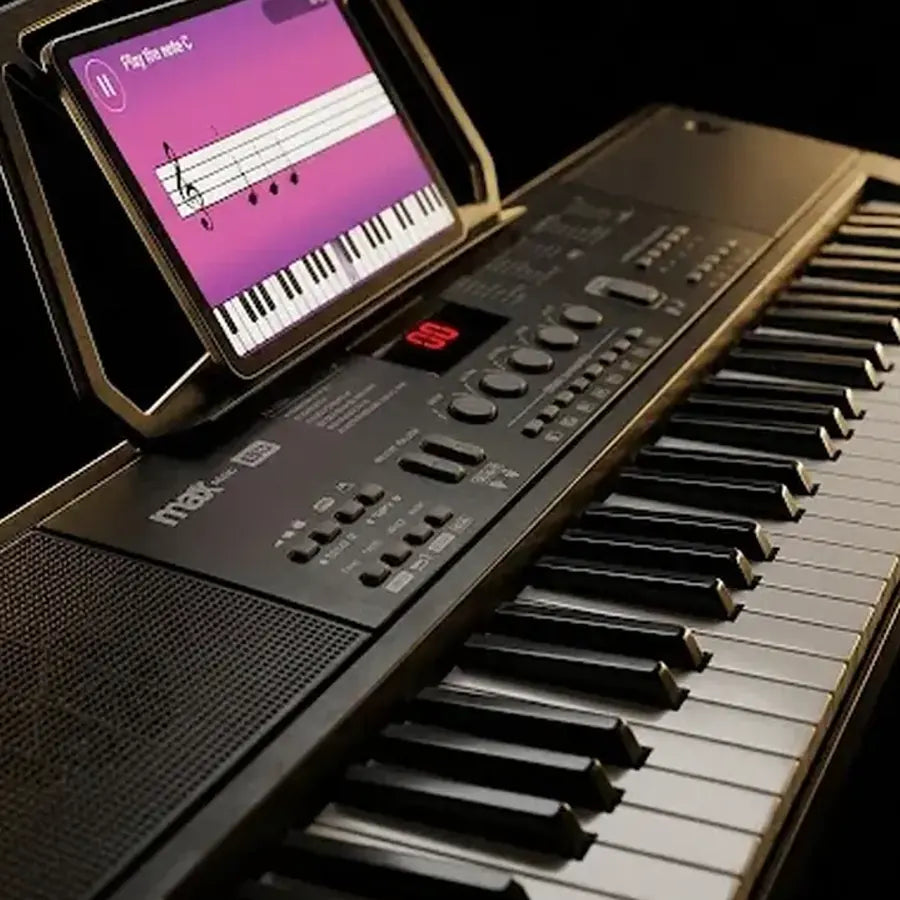
If you want a single, uncomplicated recommendation, a 61-key touch-friendly keyboard is the classic beginner starting point because it has enough keys for most songs without overwhelming you. The Rhapsody61 (₹13,999) is a comfortable, portable board that lets you learn notes, chords and simple pieces without the weight or cost of a full hammer-action piano. If you are certain you want to commit to piano and want the largest, most piano-like surface, the 88-key touch-sensitive MAX Rhapsody DP88 (₹39,999) is the honest step up — note that it is touch-sensitive rather than graded hammer action, so it responds to how hard you play while keeping the keys manageable for a learner.
Common beginner worries, answered
New buyers tend to circle the same anxieties, and clearing them up makes the decision far less stressful. Understanding what actually matters at the start lets you buy with confidence instead of chasing specs you cannot yet use.
- "Will light keys ruin my technique?" For the first months, no — learning notes, rhythm and chords transfers regardless of key weight. You can always move to weighted keys later once your fundamentals are solid and your commitment is clear.
- "Do I need all 88 keys?" Not to begin with; 54 or 61 keys comfortably cover most beginner songs and exercises. A full 88-key board is something you grow into as your repertoire expands, not a requirement on day one.
- "Is touch-sensitivity worth it?" Yes — it lets the keyboard play louder or softer depending on how hard you press, which teaches expression early. It is a more useful beginner feature than heavy weighting for most learners.
Your first steps after buying
Getting the instrument home is only the start, and a little setup makes practice far more sustainable. Place the keyboard on a stable, correct-height surface or a proper stand so your wrists stay relaxed, since poor posture is a common reason beginners give up early. Set a small daily practice habit — even fifteen focused minutes beats an occasional long session — and use the touch-sensitivity to practise playing both softly and firmly from the beginning. When you are ready to explore stands and other essentials, browse the wider keyboards collection to complete your setup sensibly.
Frequently asked questions
Should a beginner get weighted or semi-weighted keys?
Most beginners are better served by lighter semi-weighted or touch-sensitive keys, which are easier on new fingers and more affordable. Choose fully weighted keys only if you are committed to serious classical piano or graded exams from the outset.
Do I need 88 weighted keys to learn piano?
No. A 54 or 61-key touch-sensitive board comfortably covers most beginner songs and exercises. You can upgrade to a full 88-key instrument later as your repertoire and commitment grow.
What is a good first keyboard budget in India?
Around ₹12,000–₹15,000 gets a beginner a comfortable 54 or 61-key touch-friendly board to learn on. If you are committed to piano, a full 88-key touch-sensitive digital piano from about ₹35,000 is the honest step up.
Are lighted keys helpful for beginners?
Yes, for self-taught learners and children, lighted keys can make it easier to follow along and stay motivated in the early stages. They are a learning aid rather than a substitute for practice, but many beginners find them encouraging.
Just starting out? Browse beginner-friendly keyboards from ₹12,999 in the keyboards collection and learn on a feel that keeps practice enjoyable.