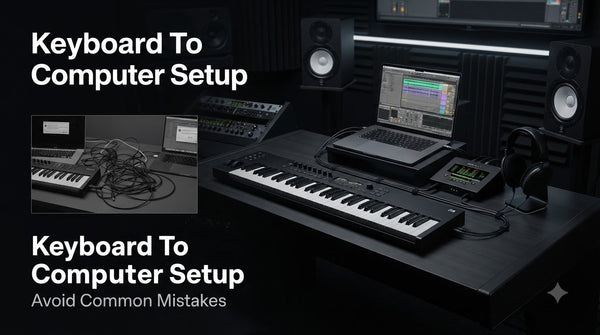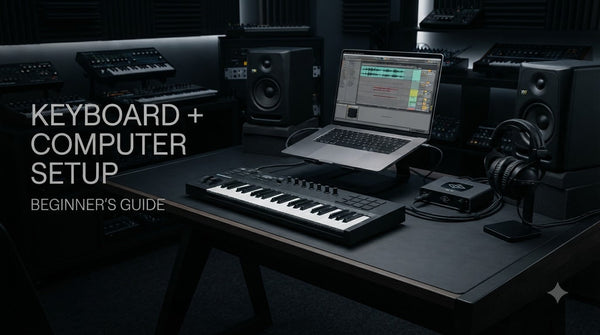








The most damaging learn-piano-at-home gear mistakes are not about spending too little — they are about buying the wrong things in the wrong order. Home learners routinely waste money on a keyboard with too few keys, skip the stand, or forget the one accessory that makes them practise daily. Avoid the seven mistakes below and these simple learn-piano-at-home gear tips will keep your budget working for you, whether you spend ₹18,000 or ₹45,000. For the full setup, see our complete learn-piano-at-home gear guide.
1. Buying a keyboard with too few keys
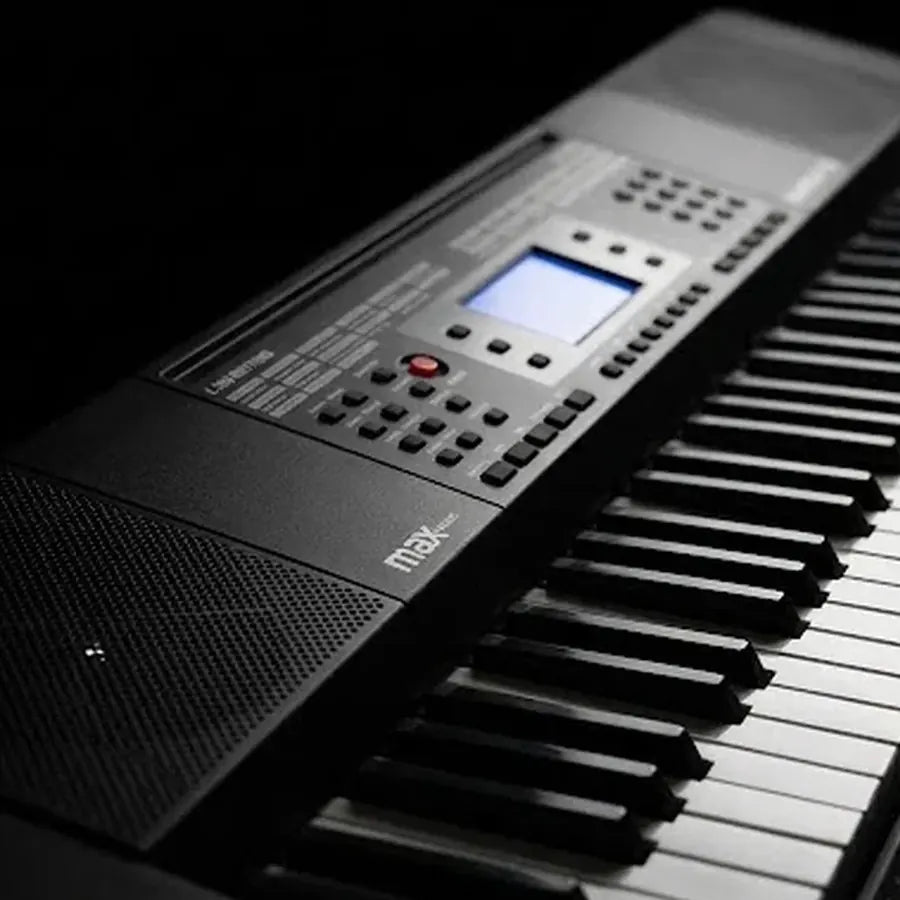
A 32 or 44-key mini keyboard looks like a cheap way in, but you will hit its limits within weeks as soon as a piece uses the wider range. For a home learner, 61 keys is the practical minimum that lets you play real music without feeling boxed in, and 88 keys is ideal if you are serious about piano. Starting too small usually means buying a second, bigger instrument sooner than you expected, which costs more overall.
2. Balancing the keyboard on a table or bed
Skipping the stand to save money is one of the most common and self-defeating choices home learners make. A table is almost always the wrong height, which forces your wrists and shoulders into a tiring position and quietly discourages practice. A proper KBS01 stand (₹2,546) holds the instrument steady at the correct height and folds away, protecting both your posture and your enthusiasm.
3. Ignoring touch sensitivity and lighted keys
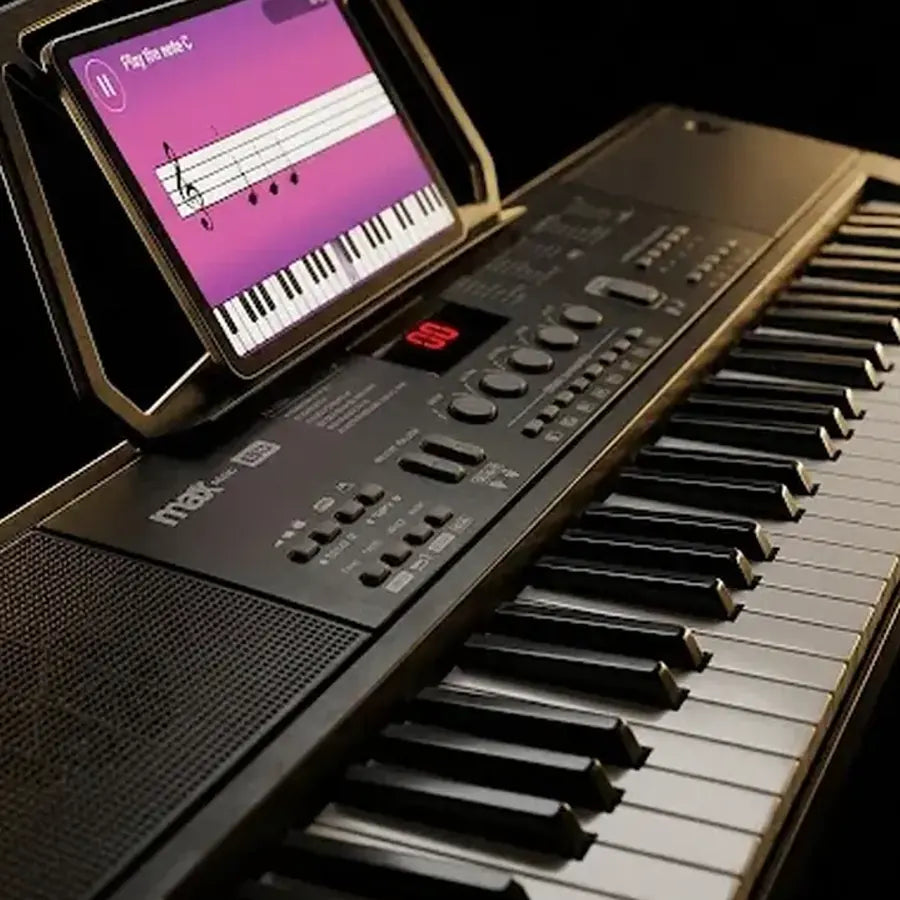
Two features genuinely help you learn, yet beginners often overlook them while chasing a lower price or a bigger voice count. Touch sensitivity teaches you to play with real dynamics, and lighted keys guide a self-teaching beginner to the right notes. The Rhapsody61L (₹18,594) builds in lighted keys for exactly this reason, so a first-timer is not left guessing.
4. Forgetting headphones for quiet practice
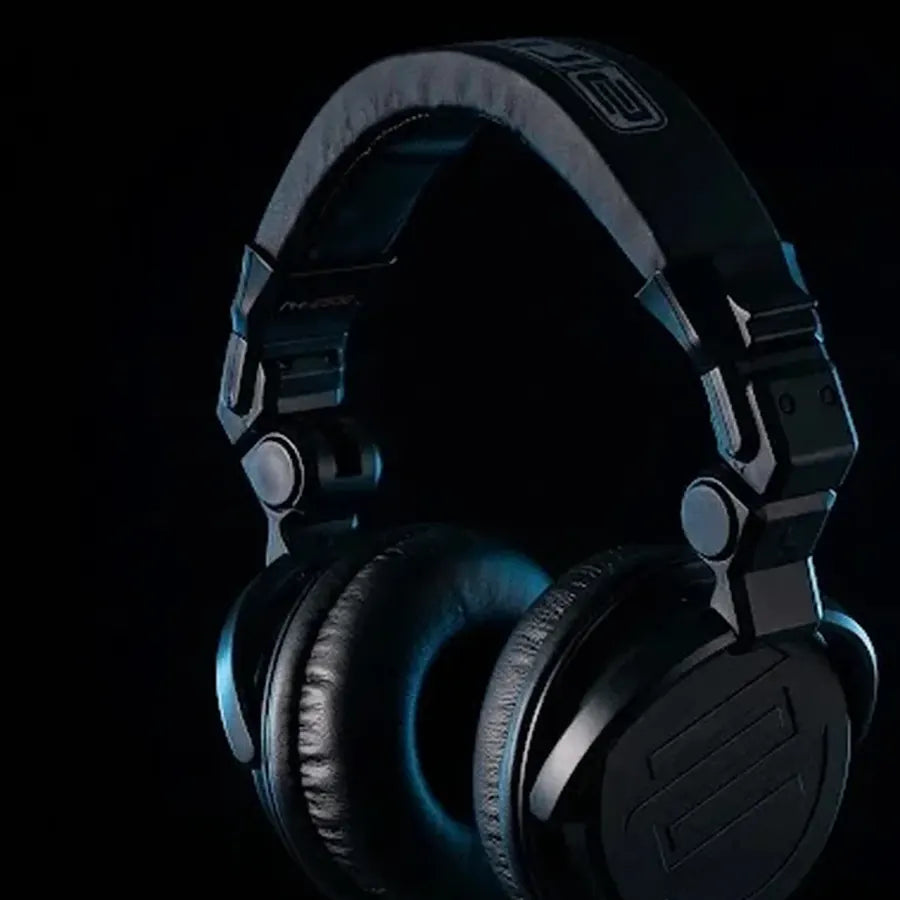
Many learners buy the keyboard and stand but never get headphones, then find they can only practise when the house is empty. That limitation quietly shrinks your practice time to almost nothing, which is fatal to early progress. A basic pair of headphones lets you play late at night or in a shared home in silence, and it is one of the cheapest ways to protect your daily habit.
5. Overspending on tones and rhythms you'll never use
It is tempting to be swayed by a keyboard advertising a thousand voices and hundreds of accompaniment styles, but that number has almost no bearing on how well you learn. A handful of good piano sounds is all a learner needs, and the extras rarely get touched after the first curious week. Spend your budget on key count, touch sensitivity and a solid stand instead, where it actually improves your playing.
6. Hiding the keyboard away between sessions
Storing the instrument in a cupboard or a spare room feels tidy, but every extra step between you and the keys makes practice less likely to happen. The most successful home learners leave their setup out and ready in a spot they pass often, so sitting down takes no effort or decision. Treat visibility and convenience as part of your gear strategy, not an afterthought.
7. Buying everything at once instead of in the right order
Splurging on a full setup — 88-key piano, bench, pedal, premium headphones — before you know the hobby will stick often leads to expensive gear gathering dust. A smarter approach is to buy the keyboard and stand first, confirm you are practising, then add a seat, headphones and pedal as you feel their absence. This staged spending keeps risk low and ensures every rupee goes to gear you actually use.
Frequently asked questions
What is the biggest gear mistake when learning piano at home?
The biggest mistake is buying a keyboard with too few keys, which you outgrow within weeks and have to replace. A 61-key keyboard is the practical minimum for a home learner, and 88 keys is best if you plan to study piano seriously.
Do I really need a keyboard stand to learn at home?
Yes, a stand is close to essential because a table or bed puts the keyboard at the wrong height and tires your wrists and shoulders. A stable stand at the correct height protects your posture and makes practice far more comfortable, which keeps you coming back.
Is it worth paying more for a keyboard with hundreds of sounds?
Usually not for a beginner, since the number of voices has little to do with how well you learn. Prioritise key count, touch sensitivity and lighted keys over a huge sound library, as those features genuinely help your playing.
What order should I buy piano gear in?
Buy the keyboard and stand first, then add headphones for quiet practice once you are playing regularly, and a sustain pedal later as your pieces need it. Staged buying avoids wasting money on gear you may not stick with.
Want to get the gear right the first time? Browse keyboards and stands chosen for home learners in the PlayMix keyboards collection.