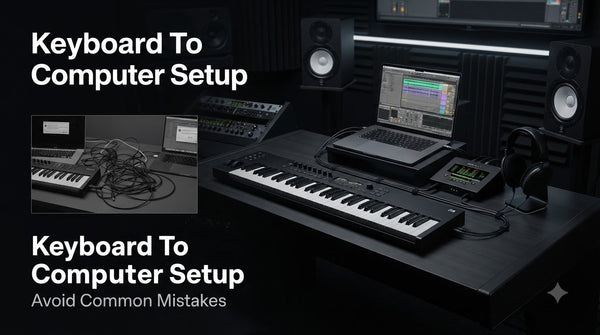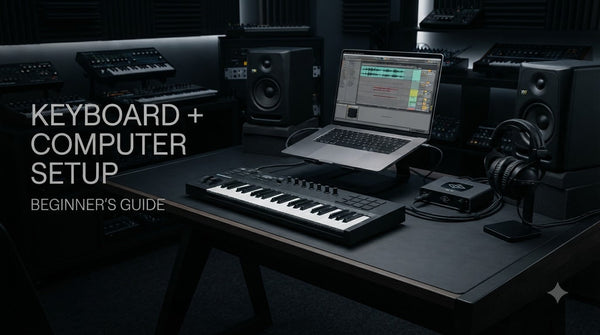








To learn piano at home you need surprisingly little gear: a decent keyboard or digital piano, a stable stand, a comfortable seat and a pair of headphones for quiet practice. That core setup costs roughly ₹15,000 to ₹45,000 in India depending on how many keys and how much realism you want. This guide walks through every piece of learn-piano-at-home gear in the order it matters, explains what genuinely helps you progress, and shows how to build a practice space that keeps you coming back to the bench.
The essential learn-piano-at-home gear list
Before comparing models it helps to see the whole picture, because half of learning consistently is having a setup that is ready the moment you want to play. The table below lists the core items, a realistic 2026 price band for each in India, and how important each one is for a home learner. Read it as a priority order rather than a shopping spree — you can start with the first two rows and add the rest as your practice habit builds.
| Gear | Typical price (2026) | Priority for a home learner |
|---|---|---|
| Keyboard / digital piano | ₹12,999 – ₹39,999 | Essential — this is the instrument |
| Keyboard stand | ₹2,500 – ₹4,000 | Essential — posture and stability |
| Bench or adjustable seat | ₹1,500 – ₹5,000 | Important — correct height matters |
| Headphones | ₹1,000 – ₹5,000 | Important — quiet, focused practice |
| Sustain pedal | ₹800 – ₹2,500 | Useful once past the basics |
| USB/MIDI cable + app | ₹300 – ₹1,000 | Optional — learning apps and recording |
Notice that the instrument and the stand together form the true foundation; everything else refines the experience. If your budget is tight, put every rupee into a keyboard with enough keys and a solid stand first, then add a bench, headphones and pedal over the following weeks as the hobby proves itself.
Choosing the keyboard: how many keys do you really need?
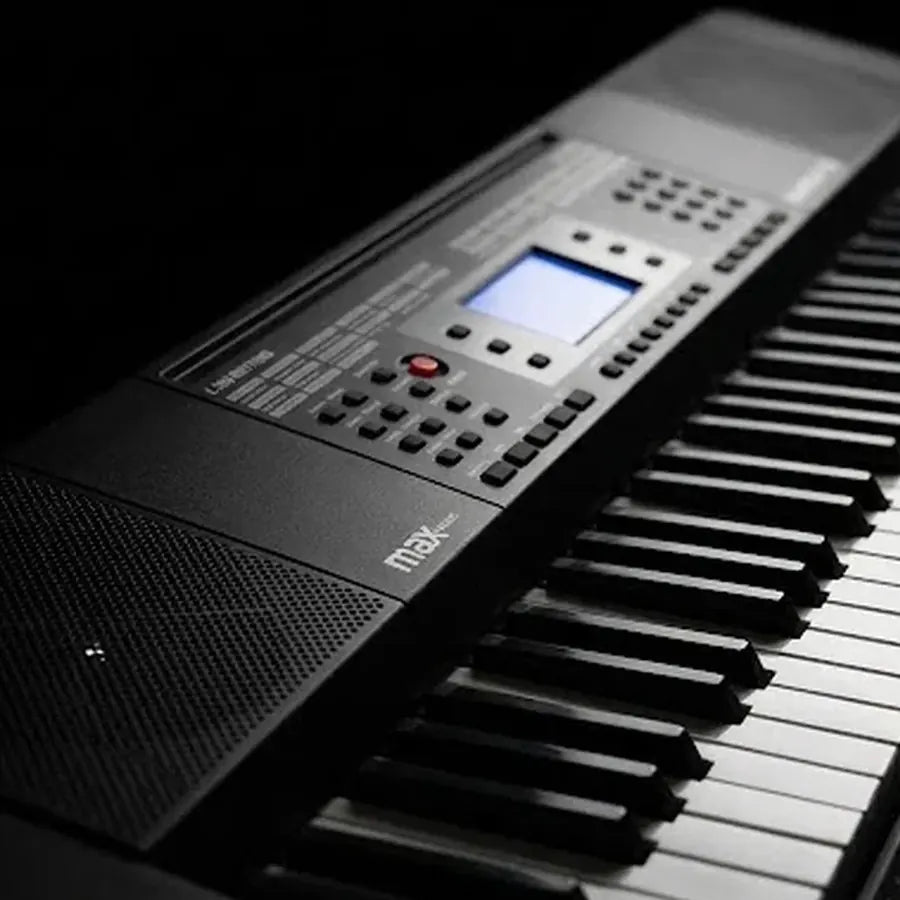
The keyboard is the single most important purchase, and the biggest decision is the number of keys, because it sets a ceiling on what you can eventually play. Full acoustic pianos have 88 keys, but many beginners start comfortably on 54 or 61 keys and only feel the limit once they tackle classical pieces that use the full range. For pure beginners and casual players, a 61-key instrument is the sweet spot; for anyone serious about proper piano technique or exam syllabuses, 88 keys is worth the jump. The Rhapsody61L with 61 lighted keys (₹18,594) suits first-timers who benefit from visual guidance, while the MAX Rhapsody DP88 (₹39,999) gives you all 88 touch-sensitive keys for the long haul.
Touch sensitivity, lighted keys and the features that matter
Beyond key count, a couple of features genuinely change how well a keyboard teaches you, while many others are just spec-sheet noise. Below are the ones worth understanding before you spend, each explained in terms of what it does for you as a learner at home.
- Touch sensitivity (velocity): This means the keyboard plays louder when you strike harder and softer when you play gently, exactly like a real piano. It teaches expressive dynamics from day one, which is why the touch-sensitive DP88 is the closest option in this range to an acoustic feel.
- Lighted keys: Keys that light up to show which note comes next give absolute beginners and children a visual path to follow, lowering the frustration of the first few weeks. The Rhapsody61L uses this to make self-teaching far less intimidating.
- USB/MIDI connectivity: A USB/MIDI port lets you connect the keyboard to a computer, tablet or phone to run learning apps, record your playing, or use it with music software. It future-proofs your setup and turns solo practice into something you can track and share.
- Built-in speakers and voices: Onboard speakers mean you can play instantly without extra equipment, and a library of voices and rhythms keeps practice fun by letting you explore different sounds. For a home learner this removes friction and makes it easy to sit down and start.
What you can safely ignore early on is the sheer number of tones or accompaniment styles a keyboard advertises — a few hundred versus a thousand makes no difference to how quickly you learn. Prioritise key count, touch sensitivity and connectivity, and treat everything else as a bonus.
The stand: why a wobbly table ruins practice
A stand is not an optional accessory — it is the difference between practising with good posture and giving up because your wrists ache. Balancing a keyboard on a dining table or bed almost always puts it at the wrong height, which forces your shoulders up and your wrists down into a position that tires you within minutes. A proper X-style or double-braced stand holds the instrument rock-steady at the correct height and folds away when you need the space. The KBS01 Keyboard Stand (₹2,546) has an easy-locking mechanism and adjustable height, so both an adult and a child can share the same instrument at their own comfortable level. You can see more support options in the keyboards collection.
Seat, headphones and the small gear that makes practice stick
Once the instrument and stand are sorted, a few inexpensive additions transform how consistently you practise at home. None of these are strictly essential on day one, but each removes a common excuse for skipping the bench, so they pay for themselves in practice hours.
- An adjustable bench or firm seat: Sitting at the right height keeps your forearms roughly parallel to the floor, which prevents fatigue and builds correct technique from the start. A wobbly kitchen chair encourages slouching and short sessions, so even a firm stool set to the right height is a real upgrade.
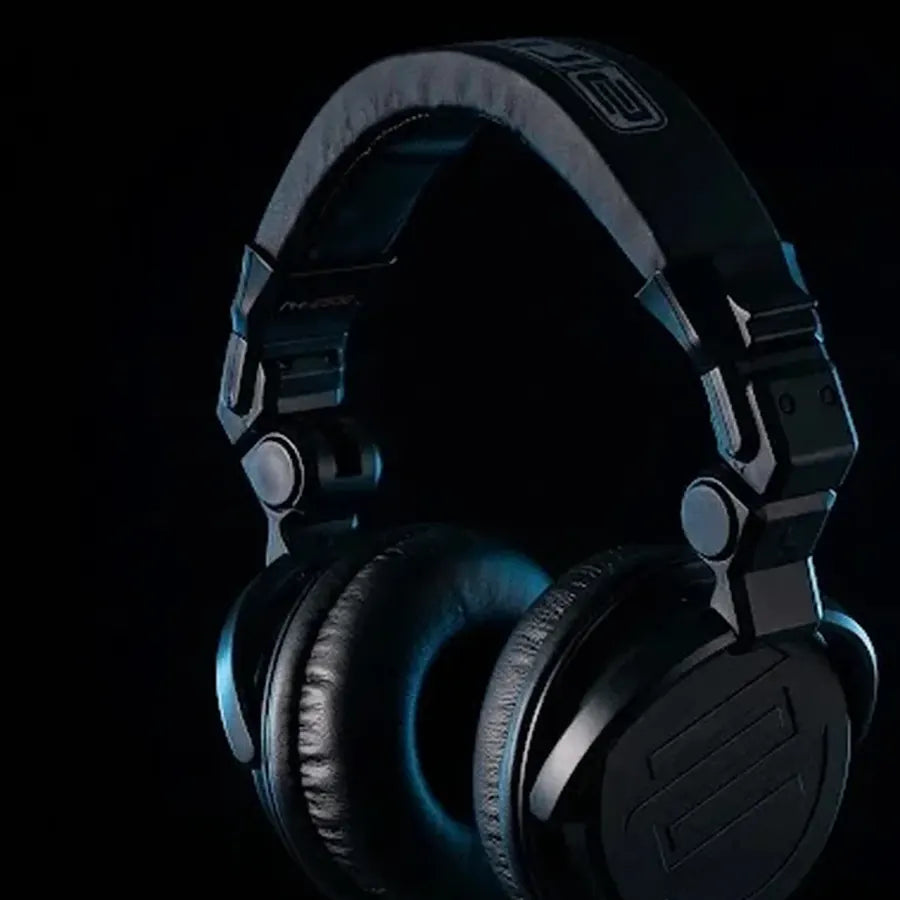
- Headphones for quiet practice: Plugging in headphones lets you practise late at night or in a shared home without disturbing anyone, which for many learners is the single biggest factor in practising daily. Closed-back headphones also help you hear your own dynamics clearly and stay focused.
- A sustain pedal: Once you move beyond your first pieces, a sustain pedal lets notes ring on after you lift your fingers, which is essential for expressive, connected playing. It is an inexpensive add-on that suddenly makes your playing sound far more like real piano.
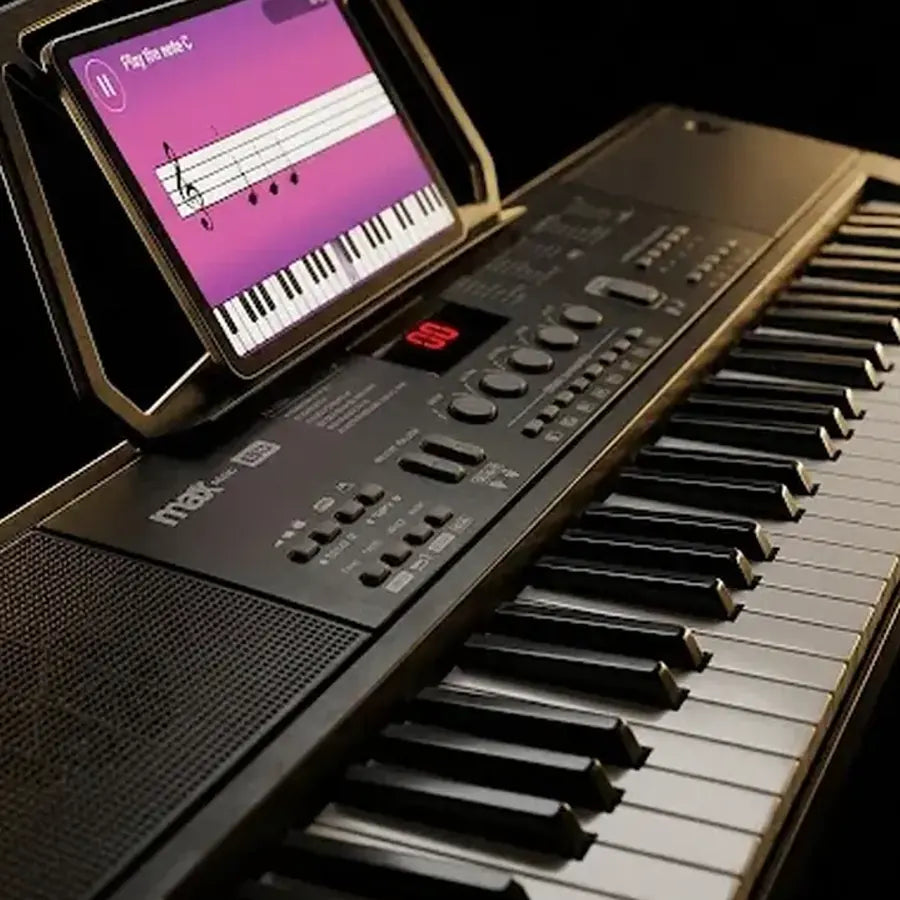
- A tablet or phone stand plus a learning app: Positioning a device at eye level next to your music lets you follow tutorials, sheet music or app-based lessons without hunching over. Combined with the keyboard's USB/MIDI port, this turns your corner into a genuine self-teaching studio.
How much should you budget to learn piano at home?
A realistic all-in budget for a complete home setup runs from about ₹18,000 at the entry level to ₹50,000 for a serious 88-key rig. At the lower end, a 54 or 61-key keyboard such as the Rhapsody61L plus a KBS01 stand, headphones and a pedal covers everything a beginner needs for well under ₹25,000. If you know piano is a long-term pursuit, stepping up to the 88-key DP88 with the same accessories lands around ₹45,000 and saves you from upgrading in a year. The key is to spend on the instrument and stand first and add the rest gradually — a lean setup you actually use beats an elaborate one you bought all at once. For the first-timer's angle on this, see our companion guide on learn-piano-at-home gear for beginners.
Setting up your practice corner for consistency
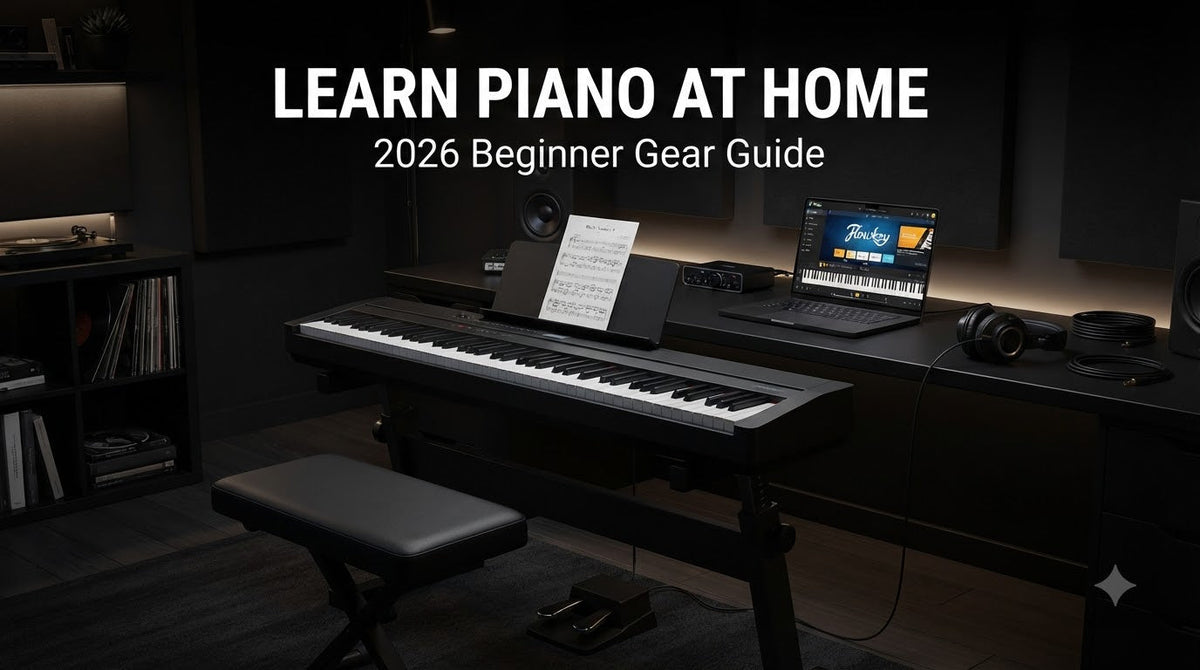
Where you put the keyboard matters more than most beginners expect, because a setup that is always ready removes the biggest barrier to daily practice. Place the stand somewhere you pass often rather than in a spare room you have to open up, and leave the keyboard uncovered so sitting down takes zero effort. Good lighting on the keys and your music, a device at eye level for lessons, and headphones within reach turn a random corner into a dedicated space your brain associates with playing. Small environmental choices like these do more for your progress over a year than any premium feature, so treat your practice corner as part of the gear itself.
Frequently asked questions
What gear do I need to learn piano at home?
At minimum you need a keyboard or digital piano and a stable stand, then a seat at the right height and headphones for quiet practice. A sustain pedal and a USB/MIDI cable for learning apps are useful additions once you are past the very first weeks.
How many keys do I need to learn piano at home?
Beginners can start comfortably on 54 or 61 keys, and a 61-key keyboard is the sweet spot for casual learners. If you plan to study classical piano or take graded exams, an 88-key instrument like the DP88 is worth buying from the start to avoid outgrowing it.
Is a keyboard good enough to learn piano, or do I need a real piano?
A good keyboard or digital piano is more than enough to learn on at home, and it has real advantages like headphone practice, built-in sounds and no tuning. A touch-sensitive model teaches proper dynamics, so you can build genuine technique before ever touching an acoustic piano.
How much does a home piano-learning setup cost in India?
A complete beginner setup starts around ₹18,000 for a 61-key keyboard, stand and accessories. A serious 88-key setup with the DP88 and accessories lands around ₹45,000, and you can spread the cost by buying the instrument and stand first and adding extras later.
Ready to build your home practice setup? Explore keyboards, digital pianos and stands in the PlayMix keyboards collection and start learning the day your gear arrives.