






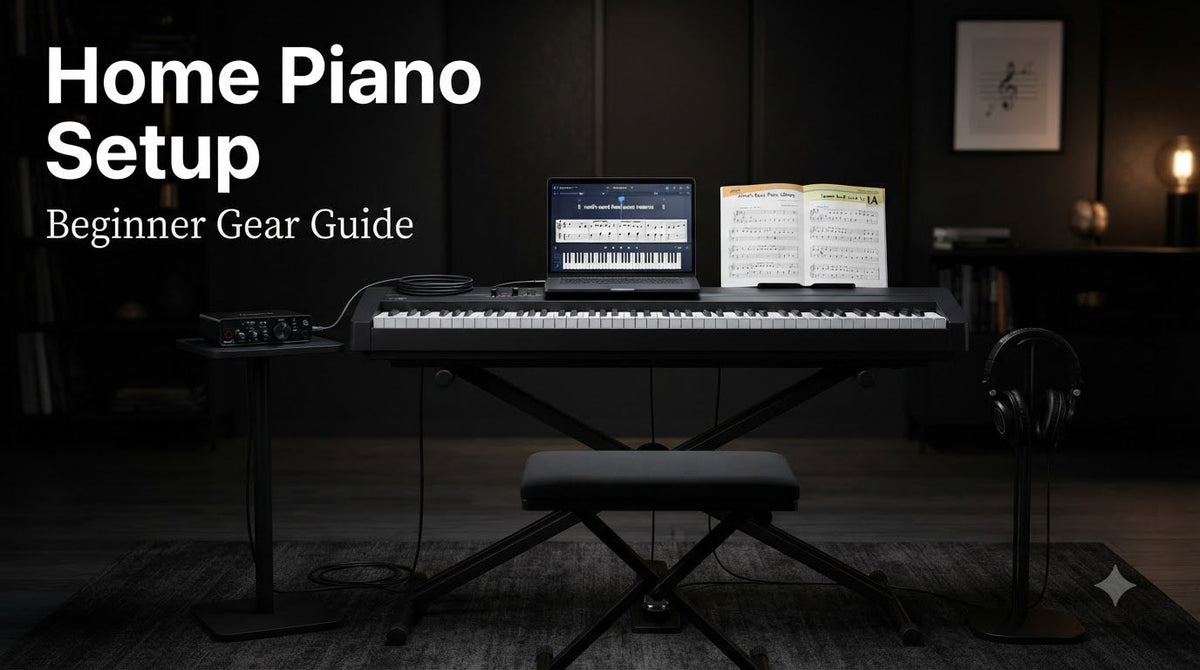
As a complete beginner, the learn-piano-at-home gear you actually need is just three things: a 61-key keyboard, a stable stand, and a pair of headphones. You can start seriously for around ₹18,000–₹22,000 in India, and you do not need a full 88-key digital piano, a fancy bench or a pile of accessories to begin. This guide is written purely from a first-timer's point of view — the one right starter pick, what to skip for now, and exactly how to set up in your first week.
The three things you truly need to start
It is easy to feel overwhelmed by gear lists, so it helps to strip the decision down to what genuinely gets you playing in week one. The table below shows the only three items a beginner must buy up front, with a realistic price for each, followed by why this short list is deliberately lean. Everything else can wait until the habit is real.
| Gear | Beginner price | Why you need it now |
|---|---|---|
| 61-key keyboard | ₹18,594 | Enough keys to learn on, lighted keys guide you |
| Keyboard stand | ₹2,546 | Correct height and stability from day one |
| Headphones | ₹1,000 – ₹2,000 | Practise any time without disturbing anyone |
For the full picture of every possible accessory and how much to budget overall, see our complete learn-piano-at-home gear guide. As a first-timer, though, resist the urge to buy it all at once — start lean and add pieces only when you feel their absence.
The one right keyboard for a first-timer
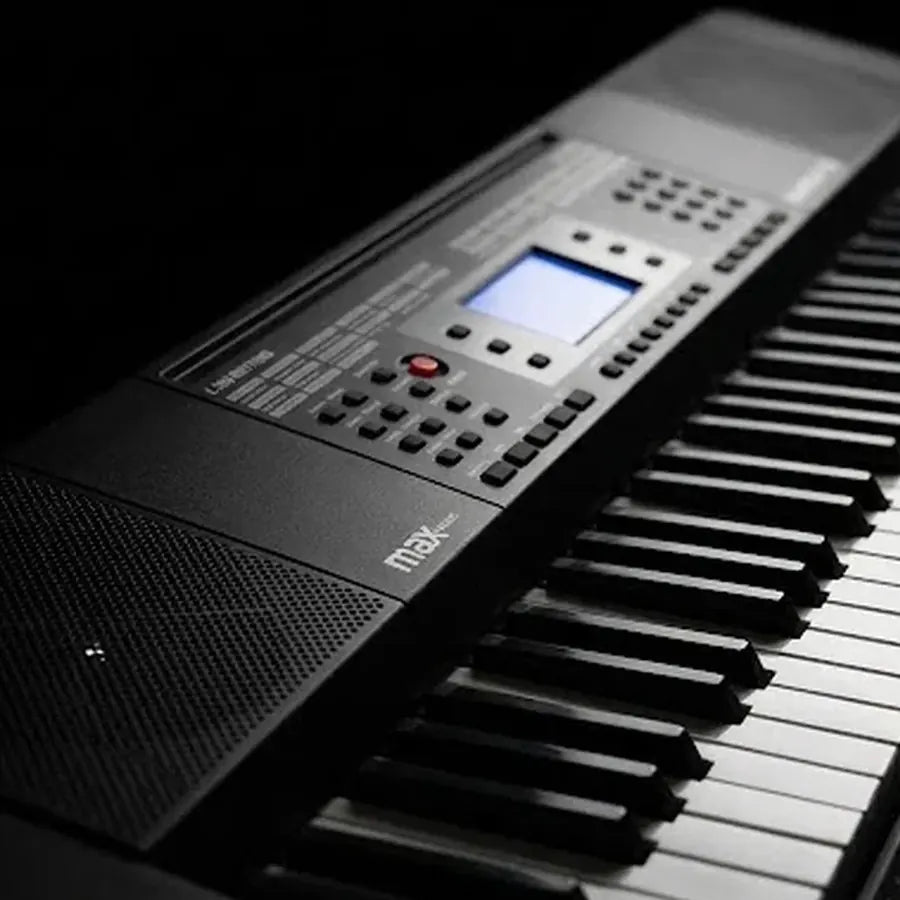
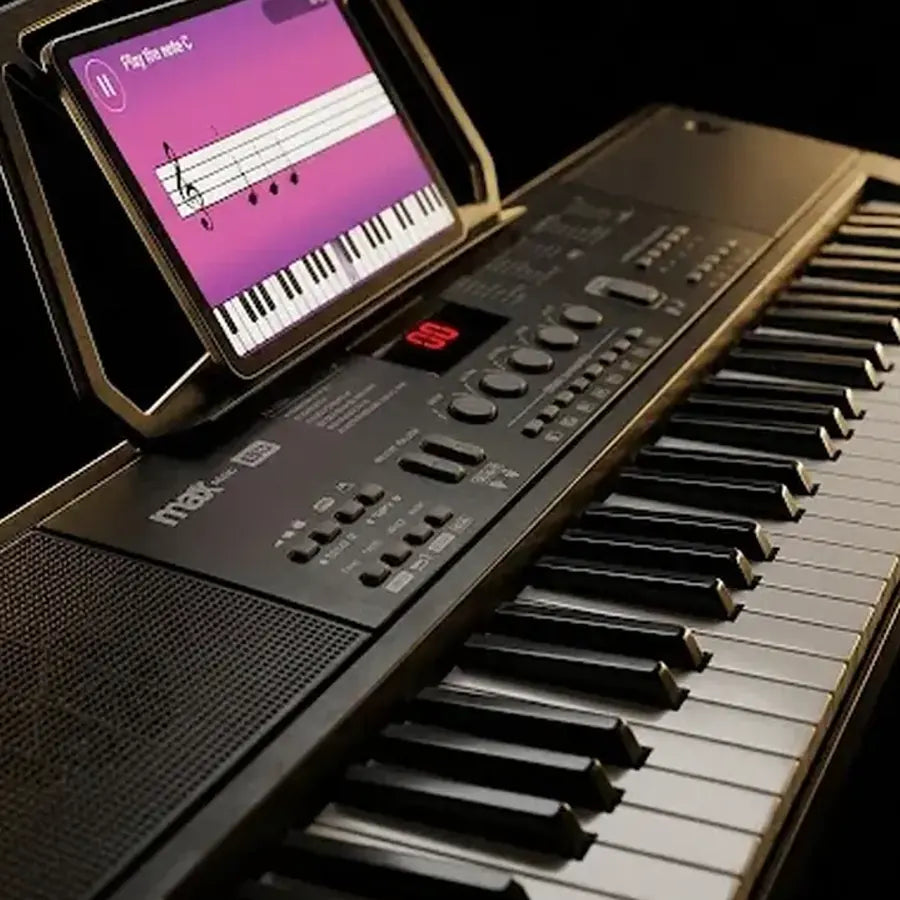
For most beginners the smartest first instrument is a 61-key keyboard with lighted keys, because it has enough range to learn real pieces while actively helping you find the notes. The Rhapsody61L with 61 lighted keys (₹18,594) is an ideal starter: the keys light up to show what comes next, which removes much of the early frustration of teaching yourself. It also has built-in speakers and voices so you can sit down and play immediately, and a USB/MIDI port for when you later want to use learning apps. You do not need to start on 88 weighted keys — that is a step up you can take once you know the hobby has stuck.
The gear beginners buy too early (and should skip)
New learners often spend money on the wrong things first, which either delays getting started or wastes budget on gear they cannot yet use. Knowing what to postpone keeps you focused on actually playing rather than shopping.
- An 88-key digital piano before you know it will stick: A full 88-key instrument is wonderful, but it is a bigger investment that only pays off once you are committed to proper piano study. Start on 61 keys and upgrade later if and when the full range genuinely limits you.
- A sustain pedal on day one: The pedal matters for expressive playing, but you will not touch it in your first weeks while you are learning where the notes are. Add it once your pieces call for sustained, connected notes, not before.
- Premium studio headphones: Any comfortable pair of headphones is fine to begin with, and spending big here changes nothing about how fast you learn. Put that money toward the keyboard and stand, which actually affect your playing.
Common beginner worries, answered
Most first-timers hesitate over the same few doubts, and clearing them up makes it far easier to just begin. These are the questions we hear most from people setting up their first home piano corner.
- "Is a keyboard good enough, or do I need a real piano?": A keyboard is genuinely good enough to learn on, and it adds benefits an acoustic cannot, like silent headphone practice and built-in sounds. You can build real skill for years before an acoustic piano becomes relevant.
- "Will I disturb my family?": Not if you plug in headphones, which let you practise late at night or in a shared flat in complete silence. This alone is one of the biggest reasons a keyboard suits home learning so well.
- "Can I really teach myself?": Yes — lighted keys plus a free or low-cost learning app connected via USB/MIDI make self-teaching realistic for a motivated beginner. Consistency matters more than a teacher in the earliest stage.
Your first-week setup checklist
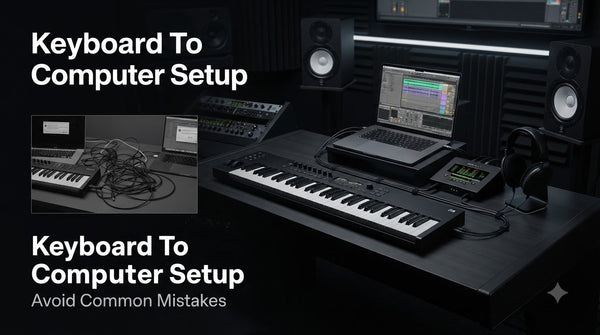
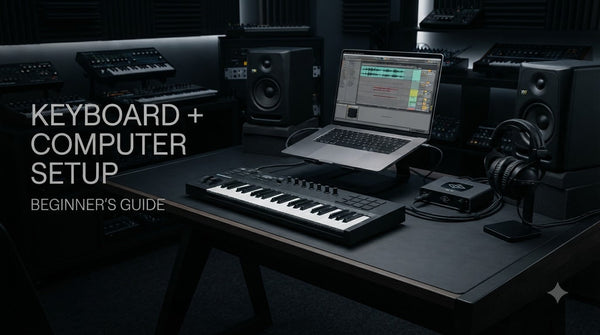
Getting set up well in the first week removes the friction that stops beginners from practising daily, so it is worth doing thoughtfully. Assemble the KBS01 stand in a spot you walk past often, set it to a height where your forearms sit roughly level with the keys, and place a firm seat at the matching height. Leave the keyboard uncovered and ready, keep your headphones hanging on the stand, and prop a phone or tablet at eye level for lessons. A corner that is always ready to play is the single most powerful thing a beginner can build, because it turns practice from a chore into something you drift toward naturally.
Frequently asked questions
What is the minimum gear to start learning piano at home?
The minimum is a keyboard and a stable stand, with headphones a close third for quiet practice. A 61-key keyboard, a KBS01 stand and any comfortable headphones will get a complete beginner playing properly for around ₹20,000.
Do I need 88 keys as a beginner?
No. A 61-key keyboard has enough range to learn real pieces and is easier to fit and afford. Move up to 88 keys later, once you are committed to classical study or graded exams and feel the range limiting you.
Which keyboard is best for a beginner learning at home?
A 61-key model with lighted keys such as the Rhapsody61L is ideal, because the lights guide you to the right notes while you build confidence. It also has built-in sounds and USB/MIDI, so you can start instantly and add learning apps later.
Can I learn piano without a teacher?
Yes, many beginners self-teach successfully using lighted keys and learning apps connected through USB/MIDI. The main requirement is consistency, so an always-ready home setup matters more than anything expensive.
Just getting started? Browse beginner-friendly keyboards and stands in the PlayMix keyboards collection and set up your first practice corner this week.