







The most expensive mistakes in the arranger vs digital piano decision are not about overspending — they are about buying the wrong type for how you actually play. Buyers routinely pick an arranger when they wanted piano feel, overspend on 88 keys they never use, or forget the stand entirely. Avoid the seven mistakes below and your money goes much further, whether you spend ₹12,999 or ₹39,999. For the full comparison, see our arranger vs digital piano guide.
1. Buying the wrong type for your goal
The single costliest mistake is choosing based on looks or price instead of purpose. If you want to write songs, perform solo or explore hundreds of sounds, an arranger keyboard is right; if you want to learn real piano for exams and classical playing, a digital piano is right. Decide what job the instrument must do first, and the whole rest of the decision falls into place naturally.
2. Ignoring key feel and touch sensitivity
Many buyers focus on voices and rhythms and completely overlook how the keys feel under the fingers, which shapes every note you play. Serious piano technique needs a heavier, touch-sensitive action like the MAX Rhapsody DP88 so soft and loud playing register properly, while lighter arranger keys suit fast leads and one-finger chords. Match the key feel to your musical goal rather than treating all keyboards as the same.
3. Overspending on 88 keys you won't use
A full 88-key digital piano is a wonderful thing, but paying for it makes little sense if you only want to play pop, worship or backing-led music. Most of that repertoire fits comfortably on 54 or 61 keys, so the extra range and higher price simply sit unused. Buy the range you will actually play now, and upgrade later only if your music genuinely grows into it.
4. Underbuying when piano is the real goal
The opposite error is just as costly: choosing a cheap 61-key arranger when you are serious about piano lessons. You will build technique on a keyboard that feels nothing like a piano, then have to relearn finger control on a heavier action after upgrading. If exams and classical playing are the aim, start on a touch-sensitive digital piano and save yourself the double spend.
5. Forgetting the stand and seating
People budget carefully for the keyboard and then play it on a bed, a wobbly table or the floor, which wrecks posture and discourages practice. A stable stand at the correct height keeps your wrists relaxed and your playing comfortable, turning practice into something you actually want to do. Add a proper stand to your order from the start rather than treating it as an afterthought.
6. Overlooking lighted keys and learning tools for beginners
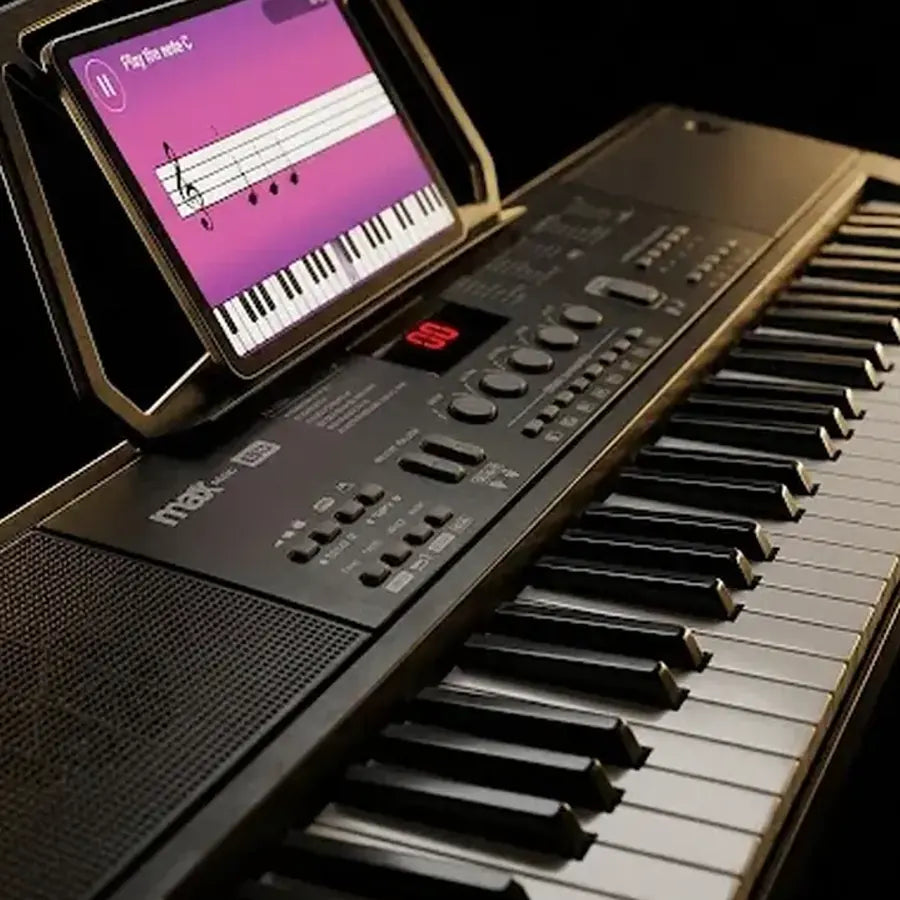
Beginners and parents often chase raw voice counts while ignoring the features that actually keep a learner going. Lighted keys and lesson modes, like those on the Rhapsody61L (₹18,594), guide you through songs step by step and make the fragile early weeks genuinely enjoyable. For a first keyboard, that motivation is worth more than a few hundred extra sounds you may never open.
7. Skipping USB/MIDI when you plan to record
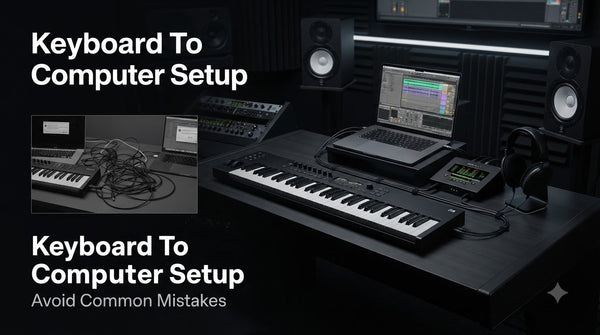
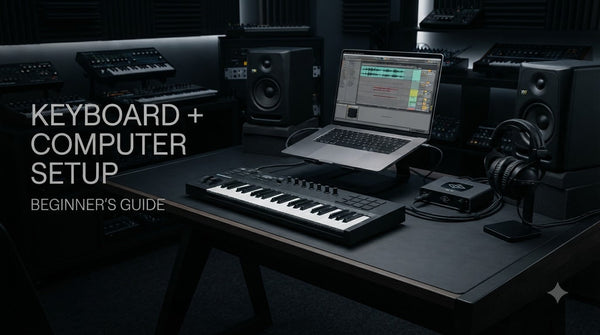
If you dream of recording your playing or using software instruments on a computer, check for USB/MIDI before you buy. A keyboard without it locks you out of a DAW, forcing an awkward workaround or another purchase later, whereas the DP88's USB/MIDI lets it double as a controller for music software. Think one step ahead about how you will use the instrument, not just how you will play it today.
Frequently asked questions
What is the biggest mistake when choosing between an arranger and a digital piano?
The biggest mistake is buying for price or looks instead of purpose. Decide whether you want songwriting and backing features (arranger) or authentic piano feel for serious study (digital piano), and let that goal drive the choice.
Is it worth buying an 88-key digital piano for casual playing?
Usually not, because casual pop, worship and backing-led music fits comfortably on 54 or 61 keys. Unless you are learning classical piano or taking exams, the extra range and cost of 88 keys often go unused.
Do I really need a stand for my keyboard?
Yes — playing on a bed or wobbly table causes poor posture and quickly discourages practice. A stable stand at the right height keeps your wrists relaxed and makes regular practice far more comfortable and sustainable.
Why does touch sensitivity matter?
Touch sensitivity lets the keyboard respond to how hard you play, so soft passages are quiet and hard ones are loud — the expressive control piano music relies on. If serious piano technique is your goal, a touch-sensitive digital piano like the DP88 is worth prioritising.
Want the right keyboard without the guesswork? Compare arranger keyboards and the 88-key MAX Rhapsody DP88 in the keyboards collection.