







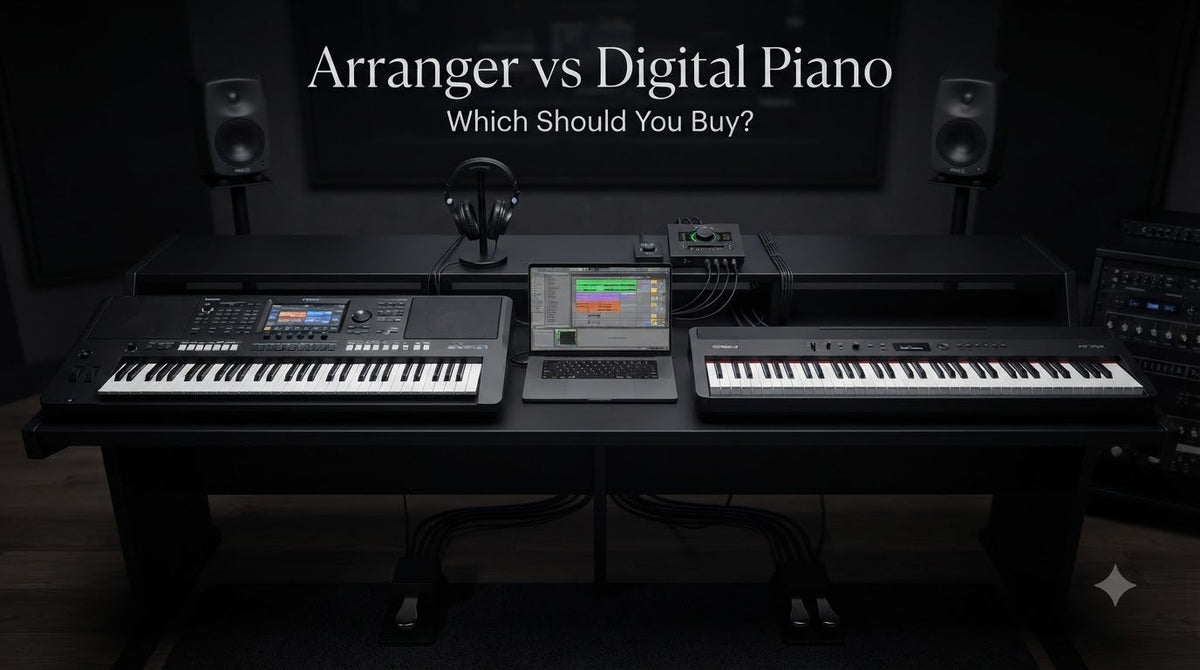
In the arranger vs digital piano decision, the short answer is this: choose an arranger keyboard if you want built-in rhythms, backing styles and hundreds of sounds to write songs or perform solo, and choose a digital piano if your goal is to learn and play piano on a full 88-key, touch-sensitive keyboard that feels closer to an acoustic. They look similar but are built for different jobs. This guide breaks down keys, sound, features, price in India and exactly who each instrument suits.
Arranger vs digital piano: the core difference
The simplest way to understand the two is by their purpose rather than their appearance, because both are electronic keyboards with speakers built in. An arranger keyboard is a one-person band: press a chord with your left hand and it generates a full drum, bass and instrument accompaniment in the style you pick, which makes it brilliant for songwriting, worship, weddings and solo entertaining. A digital piano strips most of that away and focuses on doing one thing extremely well — sounding and feeling like a real piano across a full keyboard — so it is the natural choice for anyone whose main aim is learning classical, film or contemporary piano. Knowing which job you are buying for settles most of the decision before you compare any specifications.
Keys and feel: 61 keys vs 88 keys
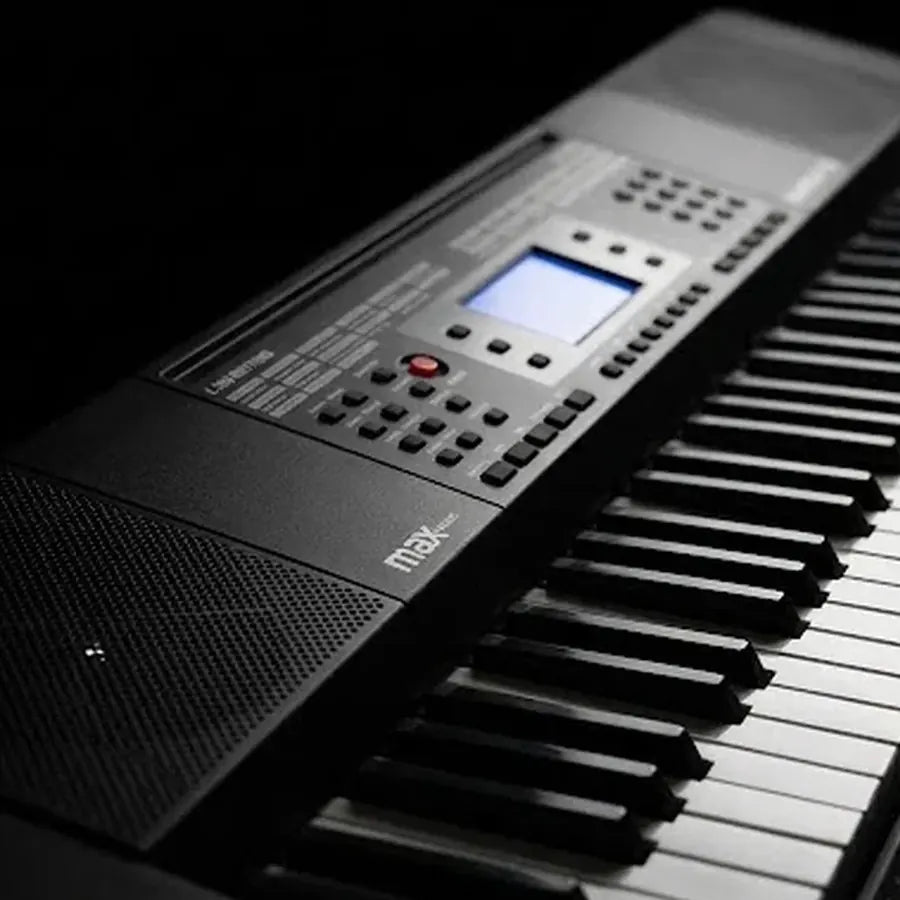
Keyboard feel is where the two instruments diverge most, and it matters more than most first-time buyers expect. Arranger keyboards usually have 54 or 61 keys that are lighter and springier, which suits fast lead lines, one-finger chords and portability but does not build the finger strength a pianist needs. A digital piano typically offers the full 88 keys with a heavier, touch-sensitive action, so soft playing is quiet and hard playing is loud — the dynamic control that piano music is written around. The MAX Rhapsody DP88 (₹39,999) is a full 88-key, touch-sensitive digital piano, while the Rhapsody61 (₹13,999) is a 61-key arranger-style keyboard aimed at flexible, feature-led playing.
Sound and voices
Both instruments produce far more than a single piano tone, but they emphasise different things. Arranger keyboards pack in hundreds of voices — strings, brass, organs, Indian and world instruments, synth pads — plus dozens of auto-accompaniment styles, which is what lets one player build a complete arrangement live. A digital piano invests its budget into a smaller set of high-quality core sounds, especially a rich, sampled acoustic-piano voice with realistic sustain when you use a pedal. If you love variety, layering and instant backing tracks, the arranger wins; if you want the most convincing piano tone for the money, the digital piano is the better use of your rupees.
Features: rhythms, learning tools and connectivity
Feature sets are the clearest fork in the road, and it helps to see them side by side before deciding. Arrangers lean into performance and composition tools, while digital pianos lean into authentic playing and practice. The points below cover the features that most influence day-to-day use, so match them to how you actually plan to play.
- Auto-accompaniment and rhythms: This is the arranger's signature feature — hold a chord and the keyboard plays a full band in your chosen style. It is invaluable for solo performers and songwriters, but a pure pianist will rarely touch it, which is why digital pianos usually leave it out to keep the piano experience clean.
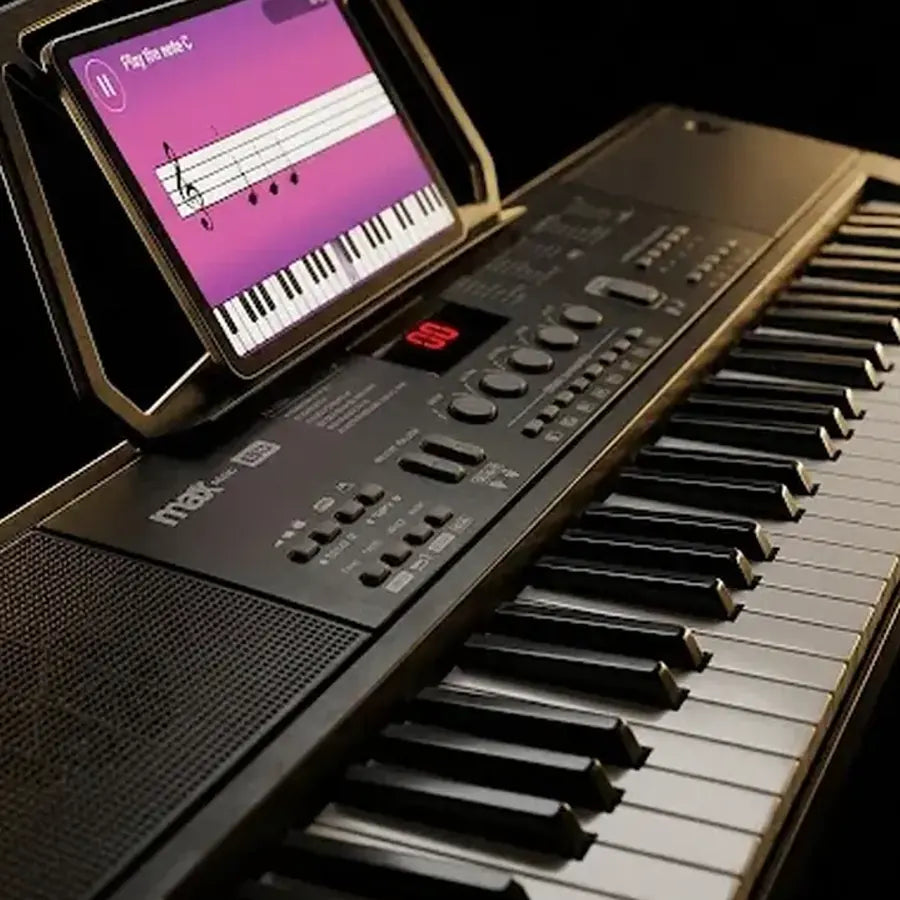
- Lighted-key and learning modes: Many arrangers include follow-the-light keys and lesson functions that guide beginners through a song step by step. The Rhapsody61L (₹18,594) with 61 lighted keys is a strong example, making it especially friendly for kids and self-taught starters.
- USB/MIDI connectivity: Connecting to a computer lets you record, edit and use software instruments in a DAW. The DP88 offers USB/MIDI, so it doubles as a controller for music software while still being a fully self-contained piano you can play without any computer at all.
Price in India: what each costs
Budget usually shapes the shortlist, and the good news is there is a sensible entry point for either path. The table below lays out realistic Indian price bands for the two categories using the current PlayMix range, followed by guidance on which band fits which player. Read the verdict column as a starting point, not a hard rule, because the right choice still depends on your goal.
| Instrument type | Typical price (this range) | Best for |
|---|---|---|
| 54-key arranger keyboard | ₹12,999 (Rhapsody54) | Kids, tight budgets, first taste |
| 61-key arranger keyboard | ₹13,999 (Rhapsody61) | Songwriting, solo play, versatility |
| 61-key lighted arranger | ₹18,594 (Rhapsody61L) | Guided learning, young beginners |
| 88-key digital piano | ₹39,999 (MAX Rhapsody DP88) | Serious piano learning, exams |
As the table shows, an arranger keyboard is the more affordable way in and gives you the widest range of sounds and features per rupee. A digital piano costs more because the full-size, touch-sensitive keyboard and premium piano voice are where the money goes — an investment that pays off only if genuine piano technique is your aim.
Which should you buy?
Match the instrument to your goal rather than to the spec sheet, and the choice becomes clear. Pick an arranger keyboard if you want to write songs, perform solo, back a singer or explore hundreds of sounds without spending much, or if you are buying for a child who benefits from lighted keys and lesson modes. Pick a digital piano if you or your learner is serious about piano — grade exams, classical repertoire, film music — and needs the full 88-key, touch-sensitive keyboard to develop proper technique. If you are still torn and buying your very first instrument, our companion guide on arranger vs digital piano for beginners walks through the first-timer decision in more detail.
Don't forget the stand
Whichever you choose, a stable stand is the accessory that makes the biggest difference to how comfortably you play. Playing on a bed, a wobbly table or the floor forces poor posture and puts you off practising, so a proper stand keeps the keyboard at the right height and angle. A simple, adjustable option like the DP88's companion stand, or a basic locking X-stand, is well worth adding to any keyboard order. You can see the full arranger and digital-piano range on the keyboards collection.
Frequently asked questions
What is the difference between an arranger keyboard and a digital piano?
An arranger keyboard offers built-in rhythms, auto-accompaniment and hundreds of voices for songwriting and solo performance, usually on 54–61 lighter keys. A digital piano focuses on an authentic piano sound and feel, typically on a full 88-key touch-sensitive keyboard, making it the better choice for serious piano learning.
Is an arranger keyboard good for learning piano?
It is fine for early beginners and casual playing, and lighted-key models make first songs approachable. However, its lighter, smaller keyboard does not build the finger strength and dynamic control that a full 88-key digital piano develops, so committed piano students eventually outgrow it.
Do I need 88 keys or are 61 enough?
Sixty-one keys are plenty for most pop, worship and songwriting on an arranger, and they keep the instrument light and affordable. If you plan to play classical piano or take grade exams, 88 keys are worth it because the repertoire and technique assume the full range.
Can a digital piano do rhythms and backing like an arranger?
Generally not — most digital pianos deliberately leave out auto-accompaniment to stay focused on the piano experience. If built-in styles and one-person-band features matter to you, an arranger keyboard is the right tool; if authentic piano tone and feel matter most, choose the digital piano.
Which is better value for money in India?
For variety and features per rupee, an arranger keyboard from around ₹12,999 is better value. For genuine piano technique, an 88-key touch-sensitive digital piano such as the MAX Rhapsody DP88 at ₹39,999 is the better long-term investment despite the higher price.
Ready to choose? Compare arranger keyboards and the 88-key MAX Rhapsody DP88 side by side in the keyboards collection and pick the one that fits how you want to play.