







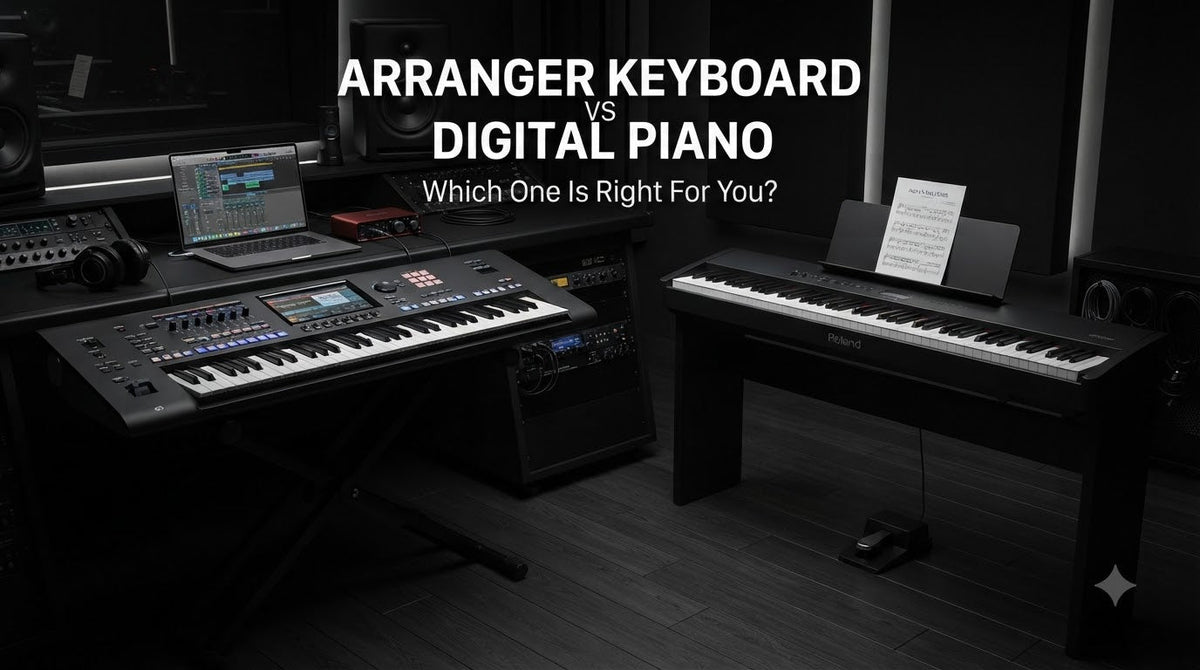
For a complete beginner in India weighing arranger vs digital piano, the honest answer is that most first-timers should start on an arranger keyboard — it is cheaper, lighter, packed with sounds, and lighted-key models make your first songs genuinely fun. Choose a digital piano from the start only if you already know you want serious, exam-track piano lessons. This guide is written purely from a first-timer's point of view: the realistic budget, the one right pick, common worries and how to get playing fast.
The realistic beginner budget
It helps to think in three simple tiers when you are just starting, because the jump in usefulness between them is bigger than the price gap suggests. The table shows what your money buys at each level, and the prose beneath explains why most beginners land in the middle. Treat the top tier as an investment you make only when piano is clearly your path.
| Budget | What you get as a beginner | Verdict |
|---|---|---|
| ₹12,999 – ₹13,999 | A 54/61-key arranger with rhythms and hundreds of voices | Great value first keyboard |
| ₹18,594 | A 61-key arranger with lighted keys for guided learning | Best for kids and self-learners |
| ₹39,999 | A full 88-key touch-sensitive digital piano | Only if piano is the serious goal |
For a fuller side-by-side on keys, sound and features, see our complete arranger vs digital piano guide, which explains the differences in more depth.
The one right first pick for most beginners
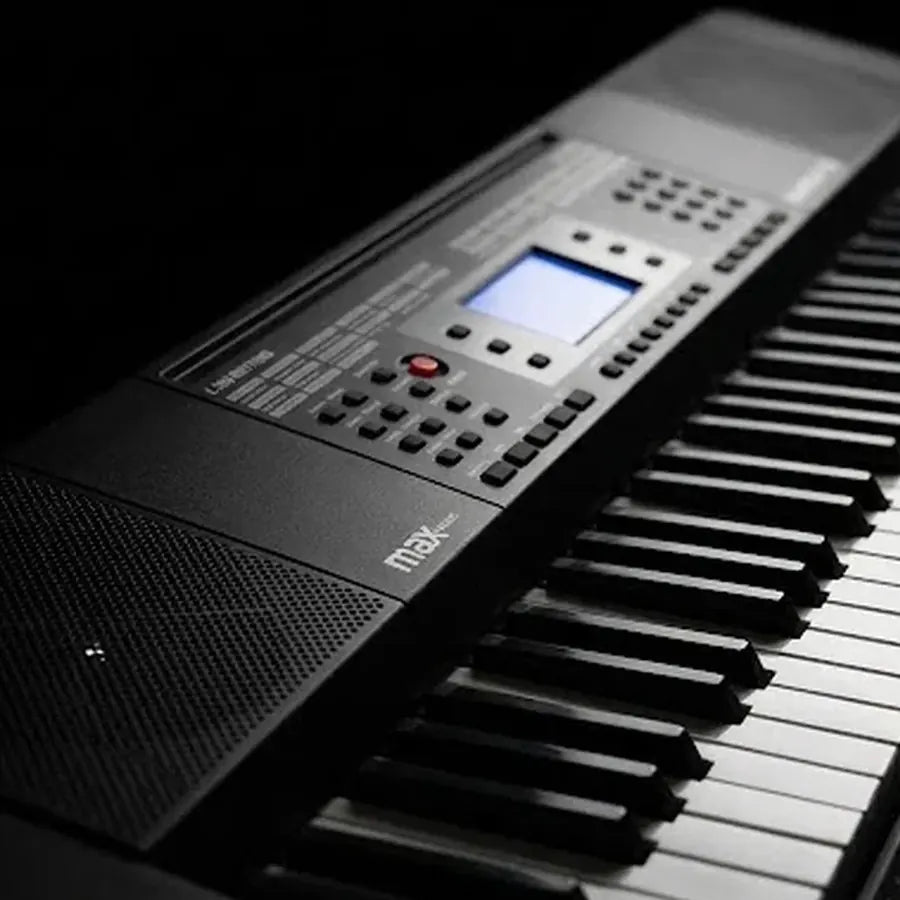
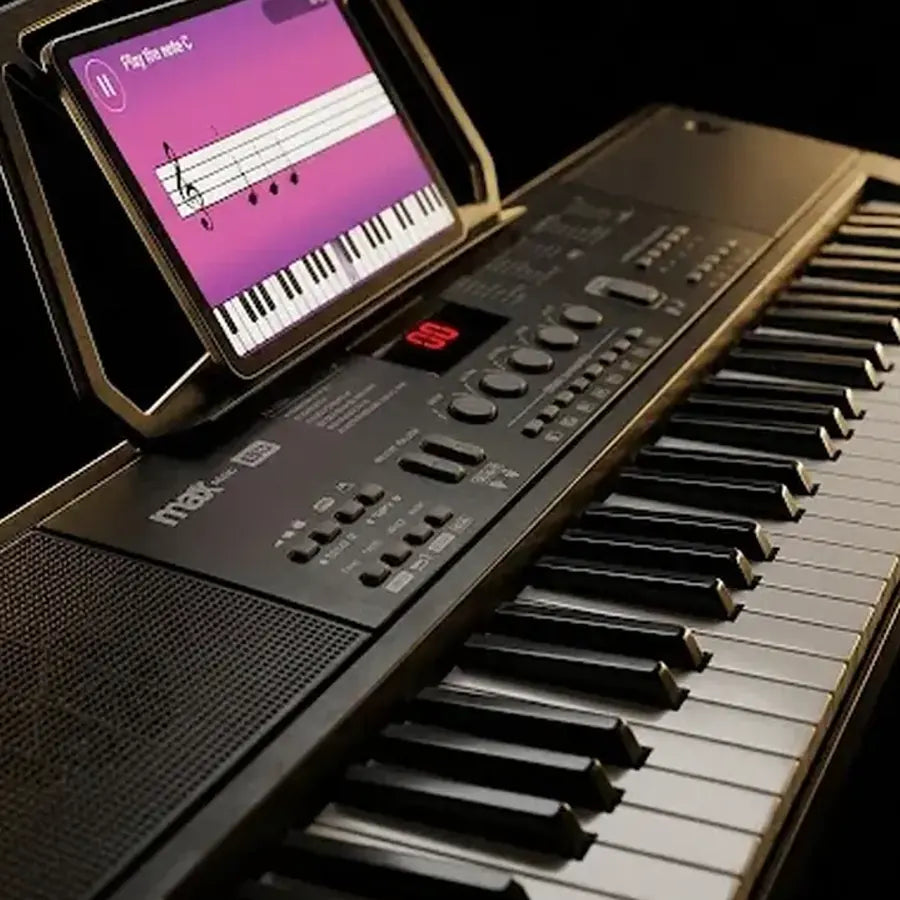
If you want a single, no-regret recommendation, a 61-key arranger with lighted keys is the pick that suits the widest range of first-timers. The Rhapsody61L (₹18,594) lights up the notes to play next, which turns learning your first song into a follow-along game rather than a chore, and it is especially reassuring for kids and self-taught adults with no teacher. It keeps you motivated in the fragile early weeks when many learners quit, and its built-in rhythms make even simple practice sound musical. You get all of that for less than half the price of a digital piano, which is why it is the sensible starting point unless piano exams are your clear goal.
When a beginner should start on a digital piano instead
There is one situation where paying more upfront is the smarter move: when you already know you want to study piano properly. If you or your child is signing up for structured lessons, working toward grade exams, or aiming at classical and film piano, the full 88-key, touch-sensitive keyboard of the MAX Rhapsody DP88 (₹39,999) builds correct technique from day one. Starting on a lighter arranger and switching later means relearning finger control on a heavier action, so committed piano students save money and effort by beginning on the right keyboard. For everyone else who just wants to make music and explore, this is more instrument than you need at the start.
Common beginner worries, answered
First-time buyers tend to circle the same few anxieties, and clearing them up makes the decision far less stressful. Here are the worries we hear most often and the honest reality behind each one.
- "Will an arranger hold me back?": For your first year or two, no — you will be learning notes, rhythm and basic chords, all of which an arranger teaches perfectly well. You only feel its limits once you pursue advanced piano technique, at which point upgrading is a natural, planned step rather than a mistake.
- "Are 61 keys too few?": For beginners, 61 keys cover almost everything you will learn early on, from nursery tunes to pop songs and worship. The full 88 keys only become necessary for classical repertoire and exams, so most starters never miss the extra notes at first.
- "Do I need touch-sensitive keys right away?": It is a lovely feature but not essential on day one, and lighted, lesson-friendly keys often matter more for keeping a beginner engaged. If you know you are on the exam track, choose the touch-sensitive DP88; otherwise start simpler and enjoy the ride.
Your first steps to playing
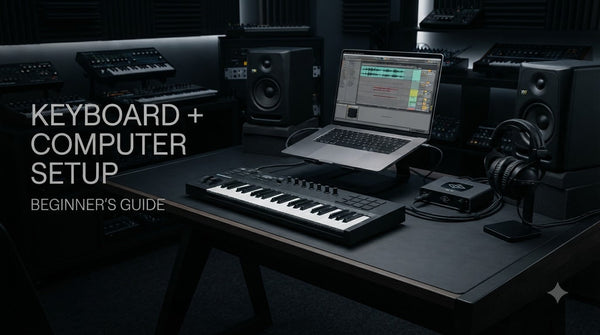
Once your keyboard arrives, a little setup makes practice stick instead of fizzling out. Put it on a stable stand at the right height so your wrists stay relaxed, because playing hunched over a table quickly becomes uncomfortable and discouraging. Start with the built-in demo songs and lighted lessons to get your hands moving, then add ten focused minutes a day rather than one long weekend session. Explore the beginner-friendly options in the keyboards collection and you will be playing recognisable tunes within your first few weeks.
Frequently asked questions
Should a beginner buy an arranger keyboard or a digital piano?
Most beginners are better served by an arranger keyboard because it is cheaper, lighter and full of motivating sounds and lighted-key lessons. Choose a digital piano from the start only if serious, exam-track piano study is the clear goal.
What is the best first keyboard for a child in India?
A 61-key lighted arranger such as the Rhapsody61L (₹18,594) is ideal for children because the lit keys guide them through songs and keep practice fun. It builds early confidence without the higher cost of a full digital piano.
Is a digital piano too much for a total beginner?
Not if piano is your serious aim — starting on the full 88-key, touch-sensitive DP88 builds correct technique immediately. But for casual learners who just want to make music, it is more instrument and more money than you need at first.
How much should a beginner spend on a first keyboard?
A budget of ₹12,999–₹18,594 gets most beginners a capable arranger keyboard, ideally with lighted keys for guided learning. Step up to around ₹39,999 for an 88-key digital piano only when committed piano lessons justify it.
Just starting out? Browse beginner-friendly arranger keyboards and lighted-key models from ₹12,999 in the keyboards collection and get playing sooner.