






The most expensive DJ-gear mistakes in India are not about spending too much — they are about spending in the wrong place. Buyers routinely chase a cheap standalone mixer that cannot make sound on its own, forget the cost of headphones, or overbuy channels they will never use. Avoid the seven mistakes below and your budget goes much further, whether you are spending ₹25,999 or ₹95,000. For the full price breakdown by level, see our DJ mixer price guide for India.
1. Buying a standalone mixer expecting it to play music
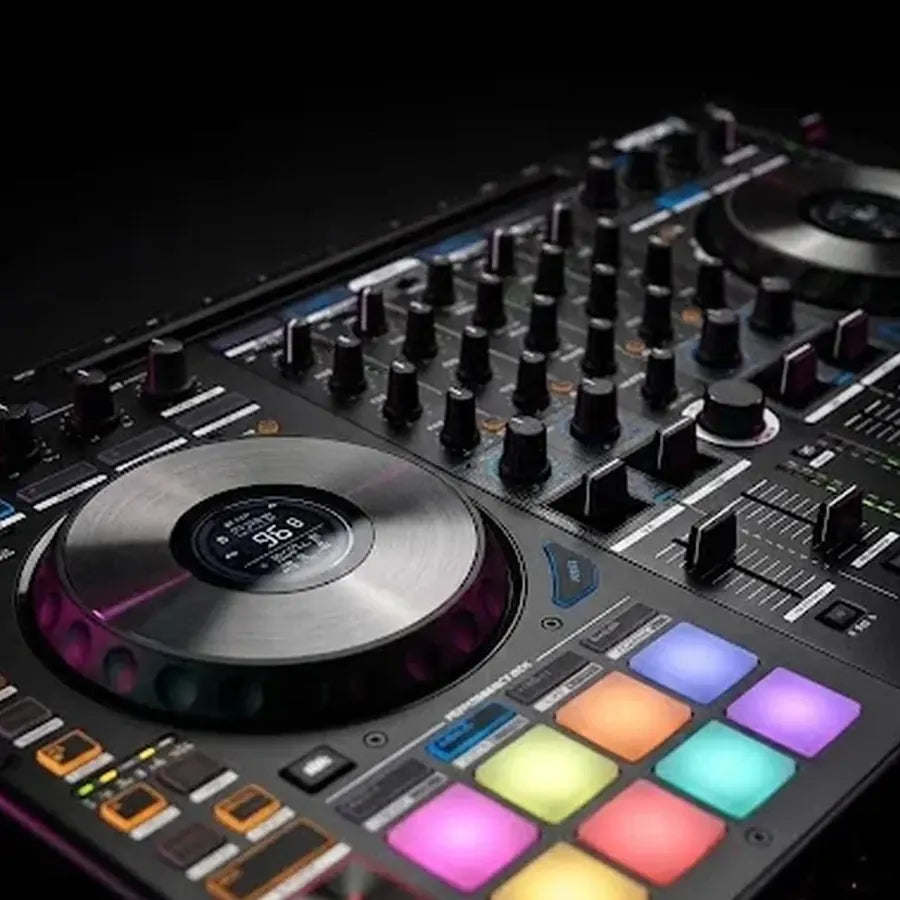
A standalone mixer only blends and EQs incoming signals — it produces no sound by itself and needs separate decks or media players, a laptop and an audio interface to work. Beginners often buy one on a low price, then discover the real cost is three more purchases before they can play a single track. An all-in-one controller with a built-in mixer sidesteps the trap entirely by putting the mixer, decks and sound card in one box. Unless you already run turntables, this is the mistake that wastes the most money.
2. Chasing a price below what a real controller costs
There is simply no genuine DJ controller below about ₹25,000 in this segment, so hunting for something cheaper usually lands you on toy gear that will not teach real skills. Those bargain units often have flimsy faders, no proper software support and jog wheels that feel nothing like the real thing. The Reloop Neon at ₹25,999 is the honest entry point, and if that is out of reach right now, you are far better off practising on free or trial DJ software with your laptop first. Spending ₹10,000 on gear you will replace in a month is not a saving.
3. Overbuying channels you will not use yet
A four-channel professional unit looks impressive on a spec sheet, but every core mixing skill — beat-matching, EQ and crossfading — is learned on just two channels. Paying ₹90,000 for four channels as a beginner is money spent on capacity you cannot use for months, and the extra controls can even slow down your early learning. Start with a two-channel controller, master the fundamentals, and step up only when you are genuinely playing layered or open-format sets. The gear should follow your skill, not run ahead of it.
4. Forgetting DJ headphones in the budget
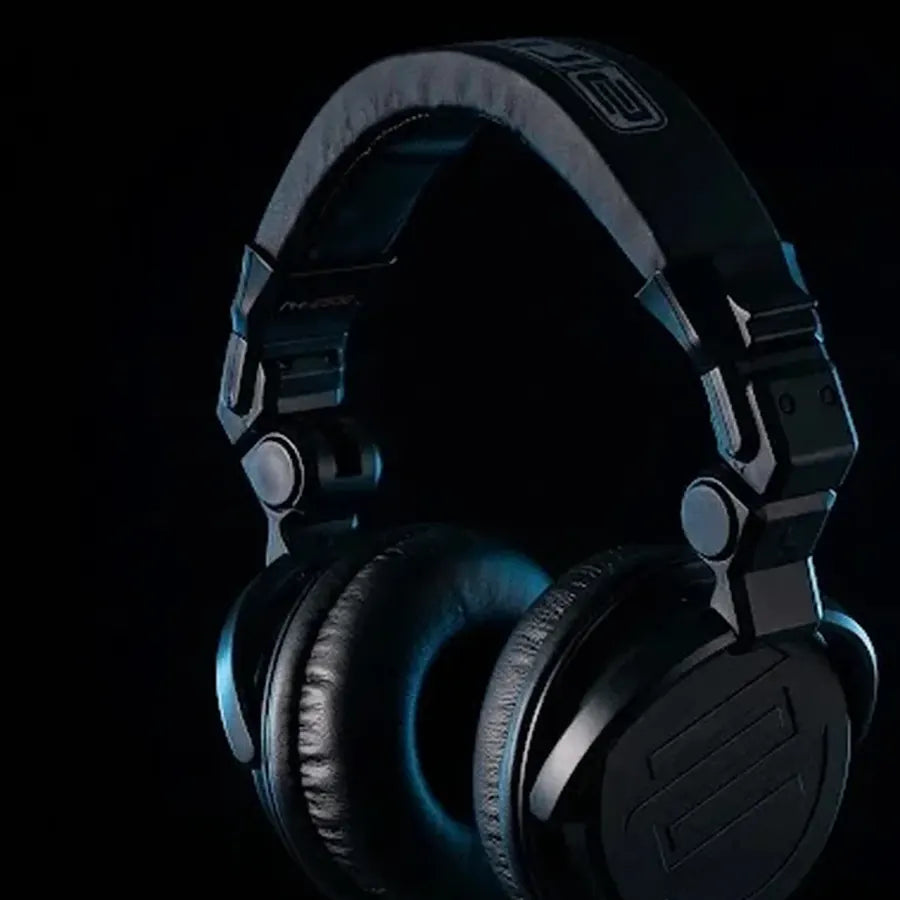
You physically cannot cue the next track without a proper pair of DJ headphones, since cueing is how you find the drop and beat-match privately before the audience hears it. Many buyers spend their entire budget on the controller and forget this, then find they cannot mix cleanly on day one. Set aside money for cueing headphones from the very start rather than treating them as an afterthought. Closed-back DJ headphones also block enough room noise to work at a loud party, which everyday earphones cannot do.
5. Assuming you must always pay separately for software
DJ software such as Serato and rekordbox is made by third parties, so it is easy to assume it is a large extra cost on top of the hardware. In practice, many controllers unlock or bundle a compatible version the moment you connect them, so you may already have what you need. Do not over-budget for software before checking what the controller includes, or you could pay twice for the same thing. Just confirm which platform a unit supports so your workflow is settled from the start.
6. Ignoring which software a controller supports
Buying purely on the lowest price can quietly lock you to a software platform you may not want to stay on. If you think you might want flexibility later, a unit that runs both Serato and rekordbox — such as the Reloop Mixon 8 Pro at ₹89,999 — protects your workflow as your ambitions grow. Switching platforms down the line can mean relearning your library management and hotcues, which is friction you can avoid up front. Check software support before you check the price tag, not after.
7. Not checking warranty, support and returns
The number on the tag is only part of the true cost of a controller. A grey-market or unbranded "bargain" with no warranty and no returns can become worthless if it arrives faulty, whereas a slightly higher price from a specialist that honours warranty and returns is often the better deal. Always weigh the seller's after-sales support alongside the headline price, especially on electronics that plug into your laptop and take a beating at gigs. Peace of mind is worth a few thousand rupees when the unit is your main instrument.
Frequently asked questions
What is the biggest mistake when buying a DJ mixer in India?
Buying a standalone mixer expecting it to play music on its own. A mixer alone needs separate decks, a laptop and an interface to work, so an all-in-one controller with a built-in mixer — like the Reloop Neon at ₹25,999 — avoids that hidden cost.
Is a cheap standalone DJ mixer worth it?
Rarely for most DJs, because it cannot produce sound by itself and still needs decks and an interface to function. For home, mobile and club use, an all-in-one controller is more reliable and usually far better value.
How many channels does a beginner DJ actually need?
Two channels are all a beginner needs, because every core skill is learned on a two-channel layout. Paying for a four-channel professional unit early is money spent on capacity you cannot yet use.
How do I know a DJ controller's price is fair?
Compare what is actually included — the built-in mixer, the sound card, any bundled software and your headphones needs — plus the warranty and returns, not just the headline number. A slightly higher price with real support is often the fairer deal.
Want the value without the guesswork? Compare all-in-one controllers with the mixer built in, from ₹25,999, in the DJ controller collection.