














When choosing an acoustic vs electric guitar as your first instrument, the honest answer is that an acoustic is the simpler, cheaper start for most people, while an electric is worth it if the music you love — rock, blues, metal, lead lines — genuinely needs one. An acoustic needs nothing else to make sound; an electric needs an amp and cable. This guide compares both across cost, tone, playability and learning curve so you can buy the right one first, without regret.
Acoustic vs electric guitar at a glance
Before the detail, it helps to see the two side by side, because the differences are less about "better" and more about what suits your goals, budget and the sound in your head. The table below summarises how acoustic and electric guitars compare on the factors that matter most to a first-time buyer in India, and the sections beneath unpack each one. Read the row that worries you most first, then work outward from there.
| Factor | Acoustic guitar | Electric guitar |
|---|---|---|
| Starting cost (complete) | ₹7,000 – ₹15,000 | ₹24,000 – ₹35,000 (with amp) |
| Extra gear to play | None — grab and strum | Amp + cable required |
| Sound | Warm, natural, loud unplugged | Versatile, needs amp, quiet unplugged |
| Best for | Folk, singer-songwriter, campfire, fingerstyle | Rock, blues, metal, lead, band play |
| Finger comfort (early days) | Nylon = gentle; steel = tougher | Slim neck, light strings = easy |
| Practice at home | Always audible to others | Quiet via headphones on amp |
Neither guitar is objectively harder to learn — they just present their challenges differently. The right first guitar is the one you will actually pick up every day, so weigh the music you want to play as heavily as the price when you read the sections below.
Cost: what each really costs to start playing
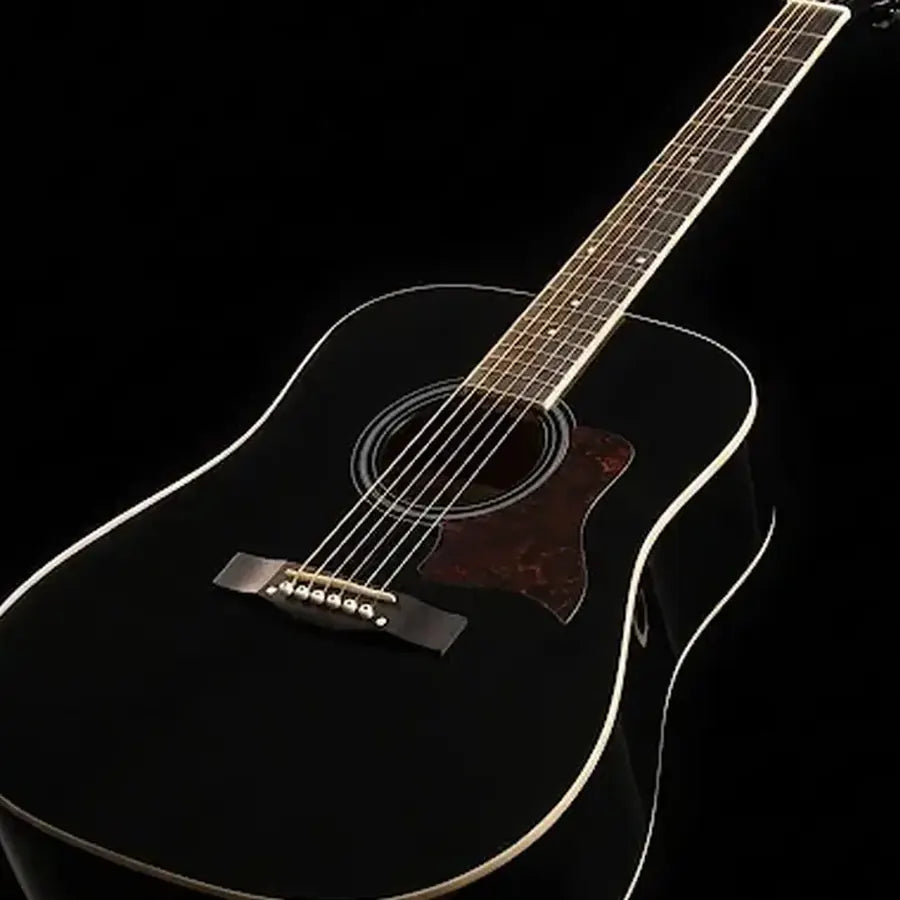
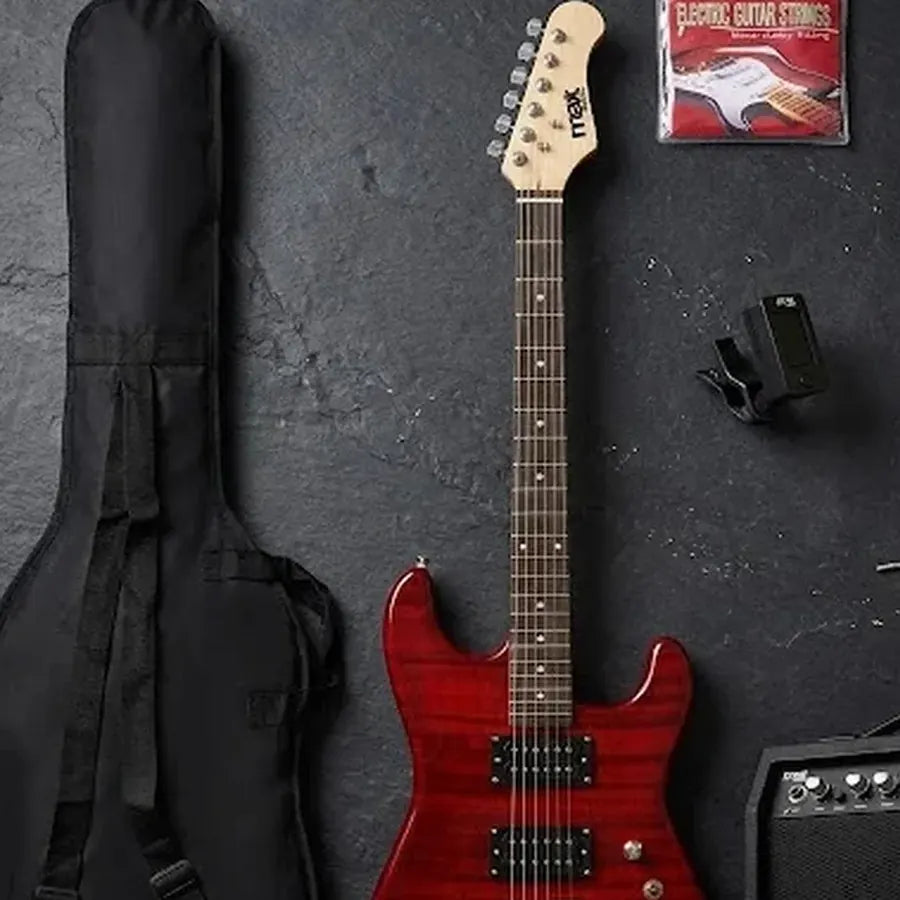
On paper an electric body can look as cheap as an acoustic, but that comparison is misleading because an electric cannot be heard without an amplifier and a cable. A complete, playable acoustic setup in India starts around ₹7,000–₹15,000, whereas a complete electric setup that includes the amp typically runs ₹24,000–₹35,000. That is the single most important number to understand when weighing acoustic vs electric guitar for a first purchase. The value move for either path is a bundled pack, so you pay one predictable price and receive parts that are guaranteed to work together — a nylon-string SoloArt Classic Guitar Pack at ₹9,999 for acoustic, or a GigKit Electric Guitar Pack from ₹24,999 for electric.
Sound and style: which music do you want to make?
The clearest way to break the tie is to picture the sound you are chasing, because acoustic and electric guitars live in different sonic worlds. An acoustic produces a warm, natural tone that fills a room on its own, which makes it perfect for folk, singer-songwriter material, worship, unplugged jams and fingerstyle. An electric is a blank canvas: through an amp it can be clean and glassy, crunchy and rocking, or heavily distorted for metal, and it is the tool of choice for lead lines, solos and playing in a band. If your favourite songs are built around strumming and vocals, lean acoustic; if they are built around riffs, solos and distortion, lean electric.
Playability: which is easier for a beginner?
There is a persistent myth that acoustic is "harder" and electric is "easier," but the reality is more nuanced and depends on the type of strings and neck. The points below explain where each guitar genuinely helps or challenges a new player, so you can match the instrument to your fingers and patience rather than to a stereotype.
- Nylon-string acoustic is gentlest on the fingers: Nylon strings press down with far less effort than steel, so absolute beginners and younger players build calluses without the early soreness that makes many quit. This is why a classical (nylon) acoustic is the most forgiving true starting point for someone completely new to fretting.
- Steel-string acoustic is the toughest early on: Steel strings and a wider body mean more finger pressure and a longer reach, which builds strength but can frustrate impatient beginners in the first few weeks. It rewards persistence with the bright, powerful strum you hear on most pop and folk records.
- Electric necks are slim and strings are light: Electrics use thin, low-tension strings and narrow necks, so fretting chords and bending notes feels physically easy from day one. The trade-off is more moving parts to learn — amp settings, volume, tone — and an instrument that is nearly silent until you plug it in.
For pure finger comfort a nylon-string acoustic wins; for effortless fretting an electric wins. Steel-string acoustics sit in between and reward those who specifically want that classic strummed sound.
Practice, noise and your living situation
How and where you will practise matters more than most first-time buyers expect, especially in shared homes and apartments common across Indian cities. An acoustic is always audible — wonderful for campfires and living-room playing, but harder to practise late at night without disturbing family or neighbours. An electric can be run through headphones on its amp, letting you practise silently at any hour, which is a genuine advantage for students and working professionals with odd hours. If quiet practice is a real constraint for you, that alone can tip the decision toward electric despite the higher upfront cost.
Maintenance and longevity
Both guitar types are durable when cared for, but they ask for slightly different upkeep, and knowing this helps you keep your first instrument playing well for years. An acoustic is largely self-contained — keep it away from extreme humidity and heat, wipe the strings after playing, and change them every few months. An electric adds a few electronic considerations such as the amp, cable and the guitar's own knobs and jack, none of which are difficult but all of which are extra points to keep clean and functional. Neither is high-maintenance for a hobbyist, so let sound and playability drive your choice rather than any fear of upkeep.
So which should you buy first?
For most complete beginners, especially those on a tight budget or unsure they will stick with it, a nylon-string acoustic pack is the smartest, lowest-risk first guitar — it is affordable, needs nothing else, and gets you playing songs within days. Choose an electric first only if the music that made you want to play is clearly electric, or if silent home practice is essential; in that case commit to a complete pack with an amp so you are not left with an inaudible guitar. Whichever way you lean, buying a pack rather than a bare guitar removes the "what else do I need?" trap. For a deeper, first-timer-focused walkthrough, read our companion guide on acoustic vs electric for beginners, and browse both paths in the guitar collection. Rock-leaning players who want a bigger amp can look at the GigKit Rock pack (40W amp) at ₹34,999.
Frequently asked questions
Is it better to learn on acoustic or electric guitar?
Both are good first instruments, but a nylon-string acoustic is the lowest-cost, lowest-fuss start because it needs nothing else to make sound. Choose electric first if the music you love is clearly electric or if you need to practise quietly with headphones.
Is acoustic or electric guitar cheaper to start with?
Acoustic is cheaper to start with because a complete pack runs ₹7,000–₹15,000, while an electric also needs an amp and cable, pushing a complete setup to ₹24,000–₹35,000. Bundled packs give the best value on either path.
Is acoustic or electric guitar easier to play?
Electric necks are slim and strings are light, so fretting feels easy, while nylon-string acoustics are gentlest on the fingertips. Steel-string acoustics take the most early finger strength, so your "easiest" depends on which challenge you prefer.
Can I learn the same songs on both?
Yes — chords, scales and technique transfer directly between acoustic and electric, so skills you build on one carry to the other. The main differences are the tone, the feel of the strings and, for electric, learning to shape sound with an amp.
Ready to choose your first guitar? Compare complete acoustic and electric starter packs — from ₹7,499 — in the curated guitar collection and start playing the day it arrives.